22 Most Famous Paintings in the World and Their Stories | Artblr
22 most famous paintings
From the Mona Lisa to The Scream, discover 22 of the most famous paintings in the world and the stories behind them.
Artblr··17 min read·
In short
The most famous paintings in the world include Leonardo da Vinci's Mona Lisa, Raphael's School of Athens, Michelangelo's Creation of Adam, Vermeer's Girl with a Pearl Earring and Rembrandt's Night Watch. Their technique, their message and their lasting relevance are what make them famous.
While the world has seen many impressive paintings and works of art, it should be noted that there are a few that have remained timeless. These timeless paintings are such that would leave you enchanted when you see them. However, when discussing some of the most famous paintings in the world, it is almost impossible to do this without talking about Renaissance fine art and Italian Renaissance painters in particular. At this juncture, it becomes imperative to examine what really makes a great painting. While it is difficult to pinpoint the core elements that contribute to making a painting particularly famous, it should be noted that the technique used in the creation of the art, the idea that is communicated through the art and the relevance of the art are some of the few factors that contribute to making an art very famous. Just like fine wine, some of the most famous paintings are such that have been around for some time. If there is one thing that is consistent with the most famous paintings and celebrated artworks, they were created by visionaries and their paintings communicated a message. Expectedly, the most famous artworks the world has ever seen are equally quite valuable and expensive. Ultimately the most famous artworks are such that will leave you enchanted and fascinated while communicating the message and inspiration of the artist. With that being said, here are the 22 most famous artworks in the world today, in ascending order.
22. The Luncheon on the Grass by Édouard Manet
The Luncheon on the Grass
Image via https://fr.wikipedia.org
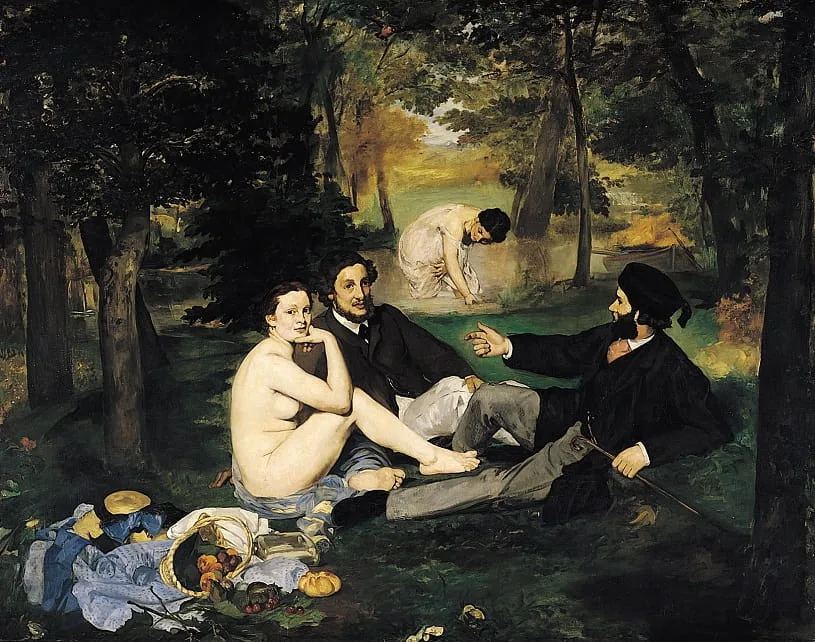
This painting engendered a lot of controversies when it was first put up for exhibition and still engenders a lot of curiosity and uncertainty till this day. This oil painting is often associated with the beginnings of Impressionism. However, it is unclear as to what the message of the painter is. As the name of this painting suggests, it is a luncheon that features three characters in the foreground: a naked woman and two fully dressed men. Interestingly, the naked woman with beautiful olive skin is staring right at the viewer of the picture or so it seems while both male characters seem to be engaged in a conversation. At the back of the trio, you will find an almost naked lady bathing in a stream. The lady at the rear seems to be minding her own business and does not seem to interact with any of the characters in the forefront. In addition to the fact that there was contention over this painting because the women in the picture seemed to be degraded, many were puzzled by the fact that the lady in the foreground and the other at the back seemed to be left out of the conversation both men were having. Some would say this was to show the deplorable state of women in society. While this explanation seems unverifiable, it is even more puzzling that there is no metaphorical significance for her nakedness. With this painting, Édouard Manet's reputation as a forerunner of Impressionism only seemed to be reinforced. This painting is said to fall under the category of history painting.
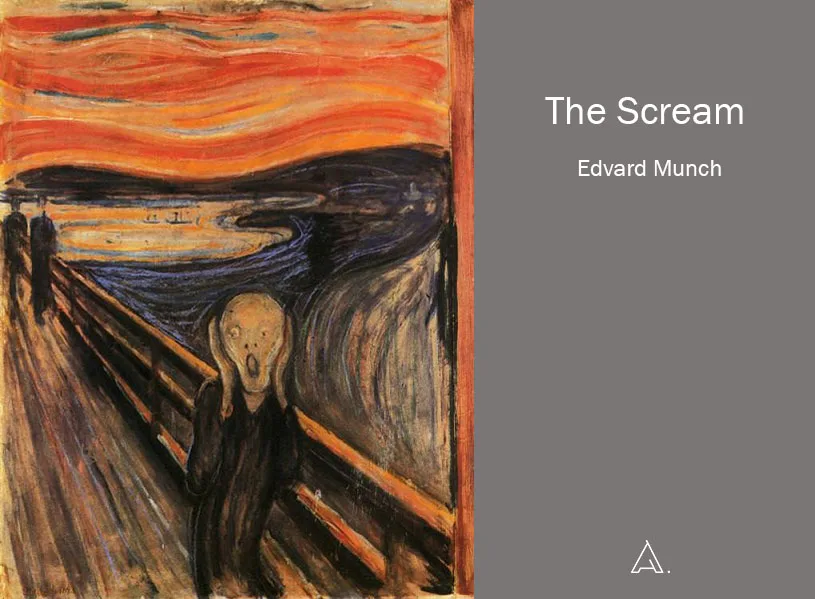
The scream is one motif that has engendered a lot of fascination and continues to remain a celebrated work of art. Merely looking at this artwork, you will immediately get a sense that the artist communicated his inspiration in the most vivid and understandable way. Created by Edvard Munch in 1893, The Scream can be best described as highly expressionistic and depicts the environment in the most captivating way. You will find that the sky has a strong orange-like color which may give the impression that the time of the day was the evening. This painting also features the main figure with both hands on its face clasping with the mouth wide open in raging shock. The face of the main character seems somewhat exaggerated and designed solely to give an expression as opposed to show a real face. This mysterious painting by the Norwegian strongly captures emotions and expressions. While it remains largely unclear as to why the main character has such a loud scream, it must be reasserted that this painting has a tone that will send chills down your spine.
20. Mont Sainte-Victoire by Cézanne
Mont Sainte-Victoire
Image via https://www.cezannecatalogue.com/
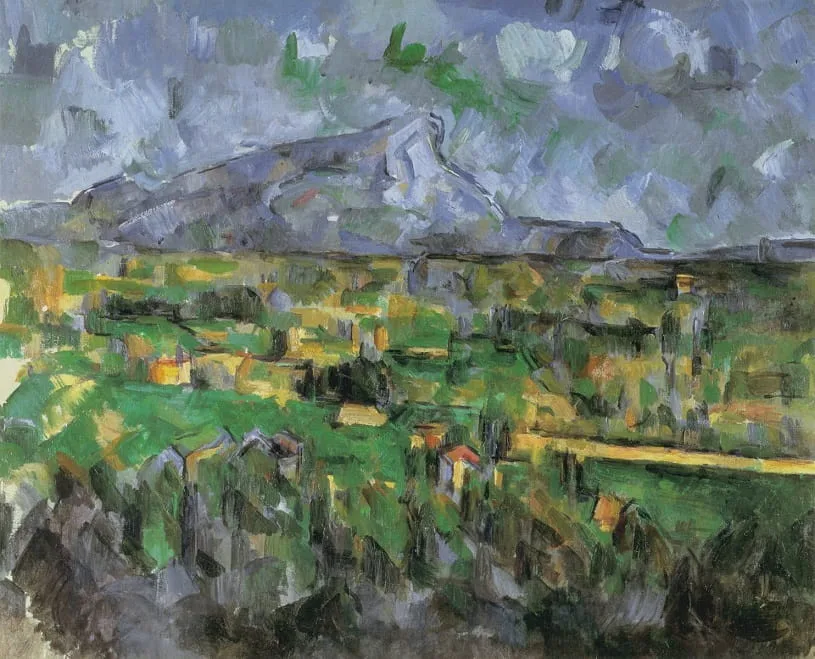
The Mount Sainte Victoire painting was created by Paul Cézanne and shows some of the most fascinating views of landscape, trees, and nature. The painting offers a clear and intimate detail of a view that the painter is intrigued about. You can see the views and ranges of the area he depicts, and you get an incredible sense of how the area looks because he was able to create a very compelling and vivid atmosphere with blue skies while capturing the terrain. Currently located in the Princeton University Art Museum this oil painting enjoys the 20th place on this list.
19. Dance by Matisse
Dance by Matisse
Image via https://www.sartle.com/
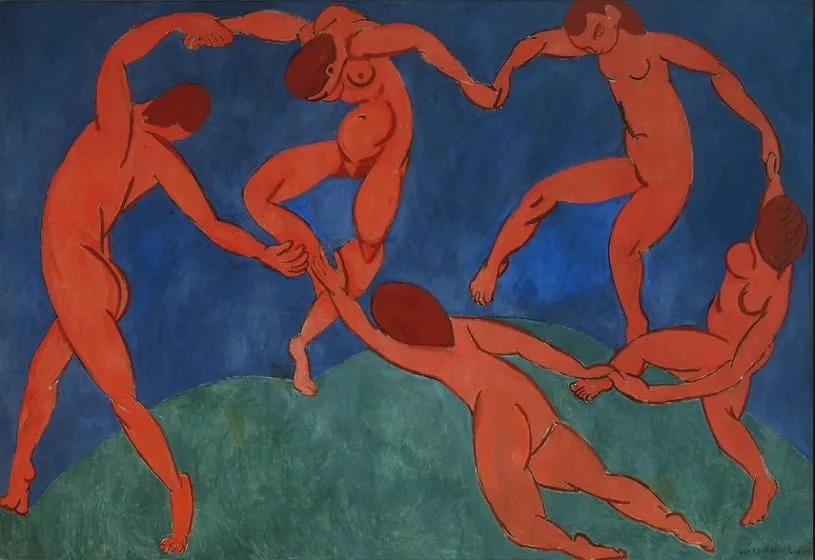
While most famous paintings typically come from the Renaissance period, it should be pointed out that there are some famous paintings that were created as late as the 20th century. With that being said, Dance happens to be a painting that falls in this category. Matisse created it in 1909 for an affluent Russian businessman, Sergei Shchukin. While this oil painting appears to be somewhat uncomplicated in appearance, it is in fact, very intricate as the painting was designed to communicate the inspiration of the artist in the most captivating way. The painting shows people dancing in a circle. In order to execute this painting with stunning accuracy, the painter adopted a somewhat unusual painting style that evokes very strong emotions of blissful and pleasurable dance by some folks. It seems almost tribalistic or ritualistic, the effect used is such that enables you to feel the weight and pressure of the dancers' movement. More so, his painting depicts a strong imagery of play like never seen before in a work of painting. For all of these reasons and more, the painting earns the 19th place on this list of most famous artworks.
18. The Sistine Madonna by Raphael
The Sistine Madonna
Image via https://fr.wikipedia.org
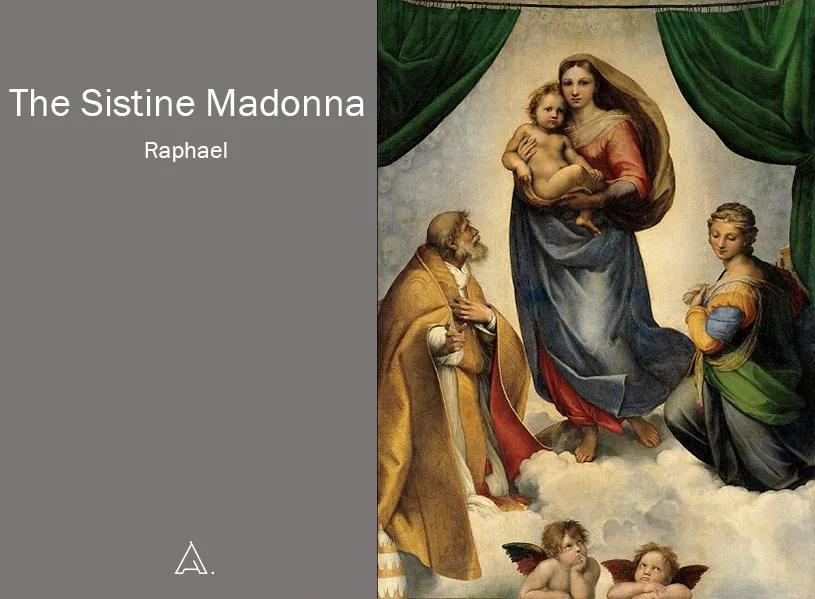
This sizzling work of art was created by the Italian Renaissance painter Raphael Sanzio around 1512. Just like many other paintings of its time, this painting was commissioned by a religious patron who happened to be the Pope Julius II. This painting features Madonna at the center of the piece holding Jesus Christ tenderly in her arms. At the base of the painting, you will find that two cherubim looked up at her and the baby Christ with a gaze of approval and admiration. Finally, the picture contained St Sixtus and St Barbara who seemed to be in awe of what they were seeing. Various analyses suggest that St Sixtus was pointing to the congregation of the faithful as if to tell Madonna and Jesus Christ that these are your people. This painting has attracted a lot of admiration and has been the subject of many appreciations over the years. Now held at the Gemäldegalerie Alte Meister in Dresden, it can be asserted that this is one of the best Renaissance artworks.
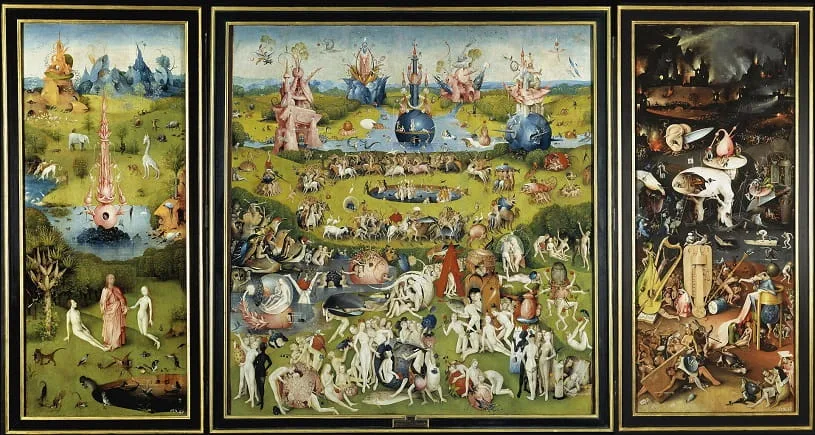
17. The Garden of Earthly Delights by Hieronymus Bosch
The Garden of Earthly Delights
Image via https://fr.wikipedia.org
This work of art is in fact, a three-panel oil painting that seems to depict a multitude of human beings and mystical creatures as well. It should be noted that this painting is found within the religious context of the time in which it was created. With the concept of Heaven and hell being very prominent themes, this ideological painting depicts the introduction of Eve to Adam in what seemed more like an idyllic state in the first panel. However, the following panels show humanity giving in to earthly pleasures, then the palpable suffering and destruction of hell. A gigantic bird-headed creature swallowing humans and excreting them into a pit is an imagery that is evocative of hell. The disorderly and chaotic depiction of the events following the introduction of Eve to Adam has gained wide acceptance and admiration. Created by Hieronymus Bosch in 1503–1515, this three-panel renaissance oil painting captures the divine presence of God and man in the garden, the fall of man into depravity and earthly pleasure with the final panel capturing the woes of hell.
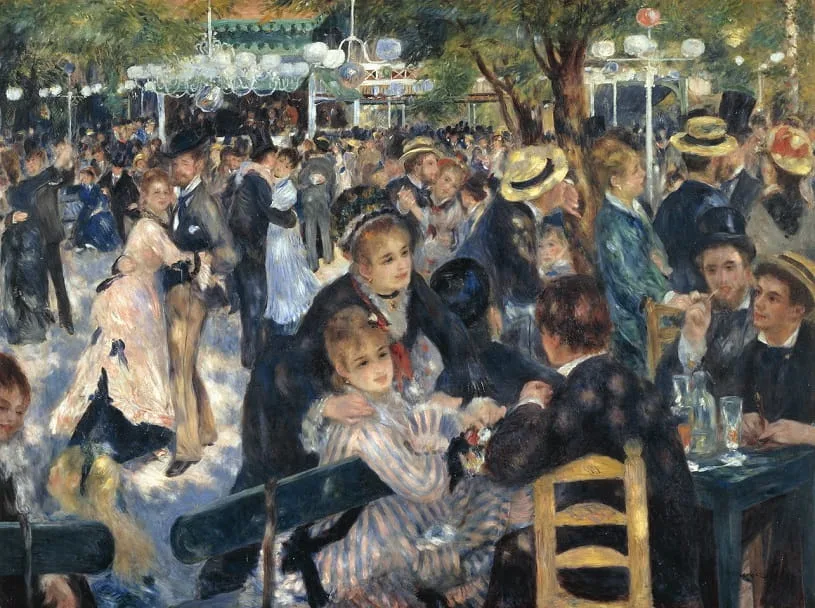
16. Dance at Le Moulin de la Galette by Pierre-Auguste Renoir
Dance at Le Moulin de la Galette
Image via http://www.renoir.net
This masterwork was created by the French artist Pierre-Auguste Renoir and can be adequately described as an impressionistic form of art. This art captures emotions and scenery of a dance party and was executed by the artist with a unique painting technique. The use of a blend of bright colours was able to evoke a vivid sense of excitement and was very crucial in showing emotions of joy, happiness, and merriment. Most dancers appear in the background of the picture, with people having a cheerful conversation in the foreground. When you consider the flexibility of brush strokes, it immediately gives a sense of merriment and movement. This approach was equally used to create flickering lights and a powerful imagery of bubbly excitement. A smaller version of this painting sold at auction for $78 million in 1990. This amazing work of art is widely recognized and is at number 16 on this list.
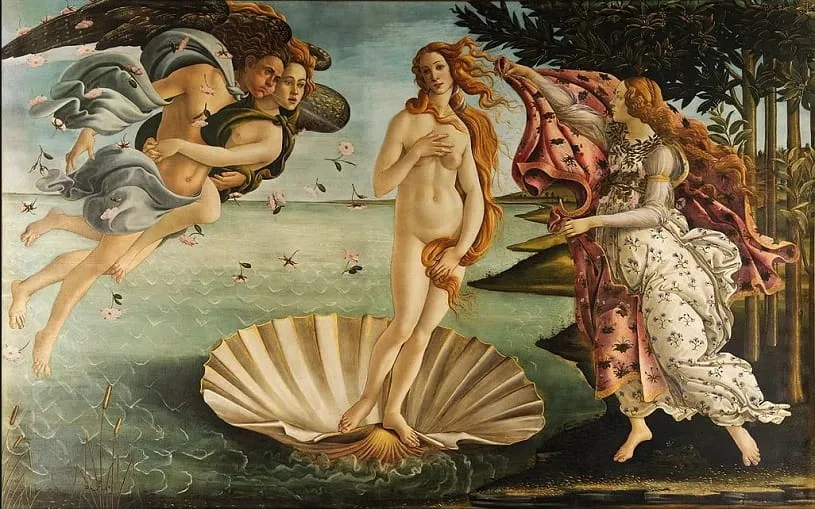
15. Birth of Venus by Botticelli
Birth of Venus
Image via www.italianrenaissance.org
It is widely held that this painting was made to order for the powerful Medici house by Botticelli. Interestingly, this painting is particularly famous and enjoys widespread appreciation. There has been a lot of debate as to whether this painting falls in the Classical or Gothic category, although created in the Renaissance period which makes it most likely a renaissance art painting, the style of drawing which adopts long lines is typically Gothic. The painting shows a mature goddess Venus emerging from the water to be greeted by other mythical gods and goddesses. Zephyrus can be seen blowing wind from his mouth at the goddess. This painting is located in the Uffizi Gallery in Florence.
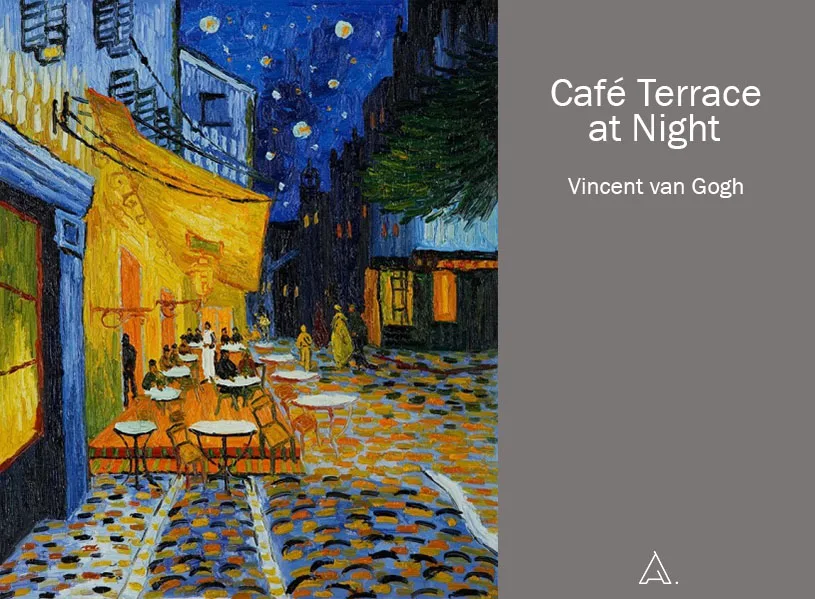
14. Café Terrace at Night
Café Terrace at Night
Image via http://www.banquedelimage.com/
This work of art by the Dutch painter is indeed a masterpiece. Just as the name implies, this painting shows a café terrace at Night. The painting captures the street and the entire scenery of the café and street at night. It is particularly astounding that a painting of this complexity was created by a painter in 1888. Interestingly the Dutch painter Vincent van Gogh created this masterpiece with oil paint on canvas. From the paved cobblestone floors, buildings to dining tables, the sky and people strolling in the far distance, this painting paints a vivid imagery of a street at night. This descriptive painting was designed to give a strong feeling of excitement and thrill. This painting earned its place at this spot and remains a fascination to many. It is housed in the Kröller-Müller Museum in Otterlo, in the Netherlands. Café Terrace at Night shows the beautiful nightlife and scenery around a café.
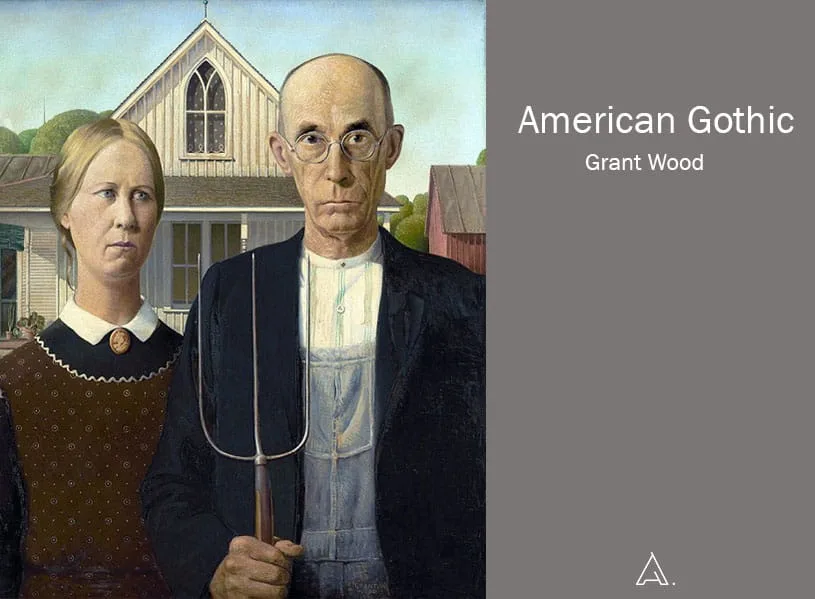
13. American Gothic by Grant Wood
American Gothic
Image via https://en.wikipedia.org/
While this painting is particularly impressive, the reason for its popularity and the pervasive appeal is found within the context of creating a unique American visual art identity that is different from the typical European visual art depictions. This painting shows the typical American farmer of the early 1900s standing right next to his daughter. This painting showcases the rural living of the Midwestern region. This painting was created in 1930 and seems to have a multiplicity of explanations. Some argue that this painting shows a not so happy rural couple. This interpretation is particularly fascinating because the lady seemed old enough to be the farmer’s wife. While we know for a certainty that the man was a farmer, given the scenery and the pitchfork, the identity of the lady could either be his wife or daughter. Others maintain that the stern look on their faces was reflective of the hardship brought on by the Great Depression. This painting sits in the Art Institute of Chicago.
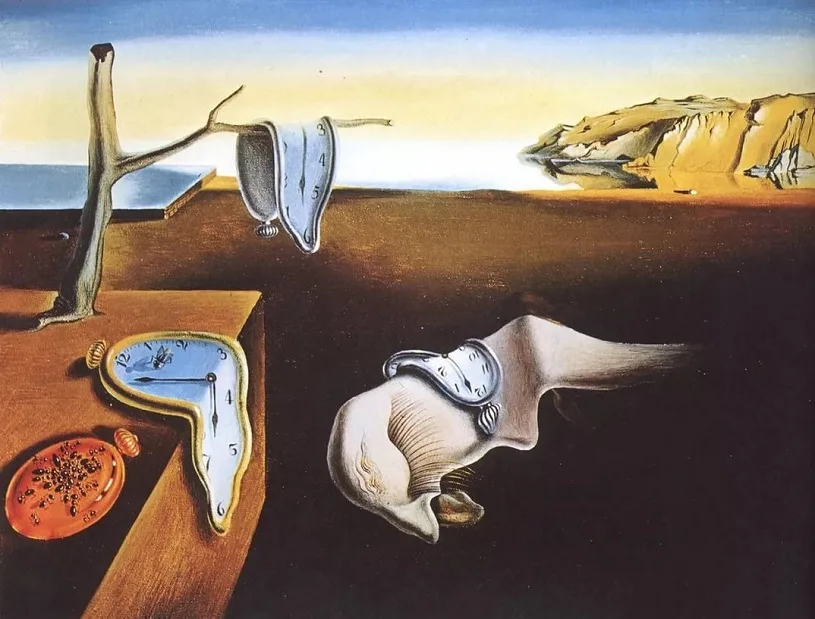
12. The Persistence of Memory by Dali
The Persistence of Memory
Image via https://www.dalipaintings.com
This painting by Salvador Dali earned its popularity from the fact that it was relevant to the period in which it was created. The name and essence of this art are adequately depicted by Salvador who shows melting pocket clocks in a scenery that seemed infinite, unexciting and inescapable. The melting clocks have the obvious meaning of time losing its essence or importance. This painting is a typical example of surrealism which was a formidable movement in art and literature shortly after the First World War. This art form shows a mental state while depicting the persistence of Memory. It is located at the Museum of Modern Art in New York.
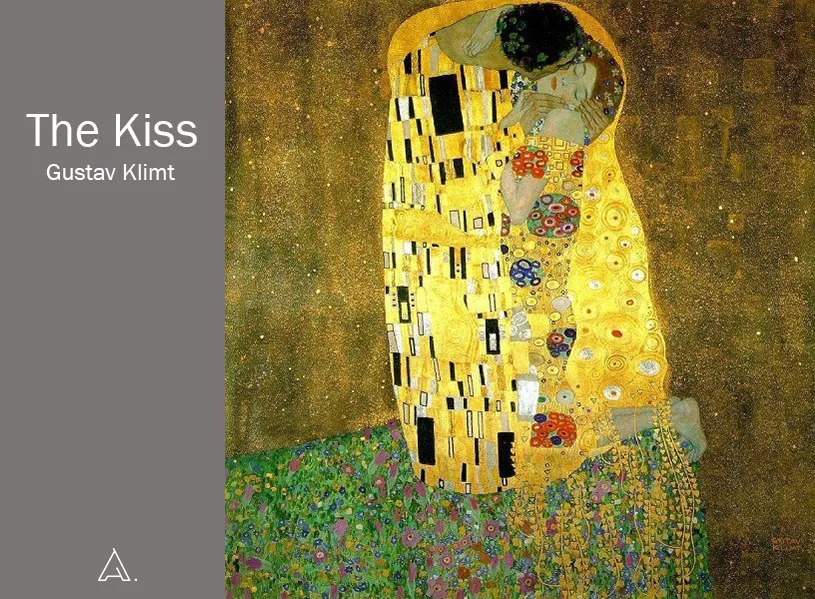
11. The Kiss by Gustav Klimt
The kiss by Gustav Klimt
Image via http://www.klimt.com/
Created by Gustav Klimt, The Kiss belongs to Symbolism. The symbolism in this portrait is one of romance and love. In this work of art, he used gold leaf to create a stunning portrait of love. This painting was created between 1907 and 1908. When taking a look at the artist’s personal life, you will find that this work rejuvenated his failing career. Over the years, this work of art remains appreciated for its beauty and strong symbolism of love.
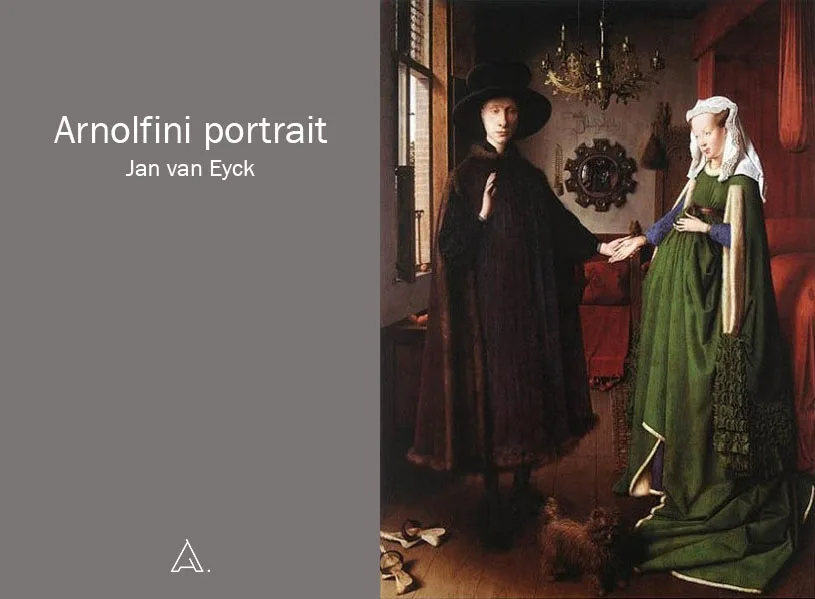
10. The Arnolfini Portrait by Jan Van Eyck
The Arnolfini Portrait
Image via https://www.cineclubdecaen.com/
Created by Jan Van Eyck, this painting’s popularity and relevance stem from the fact that it reflects how impressive the Northern Renaissance was. The painting showed a woman who is dressed like a bride or a wealthy businessperson. There has been a lot of controversy as to whether the woman is in fact married to the man in the picture. She may appear pregnant, although art historians generally attribute this to the fashion of the time, and the manner in which her hand was held by Arnolfini appeared as though they were married. This painting, formerly known as The Arnolfini Marriage, is representative of Early Netherlandish painting and currently resides in the National Gallery in London.
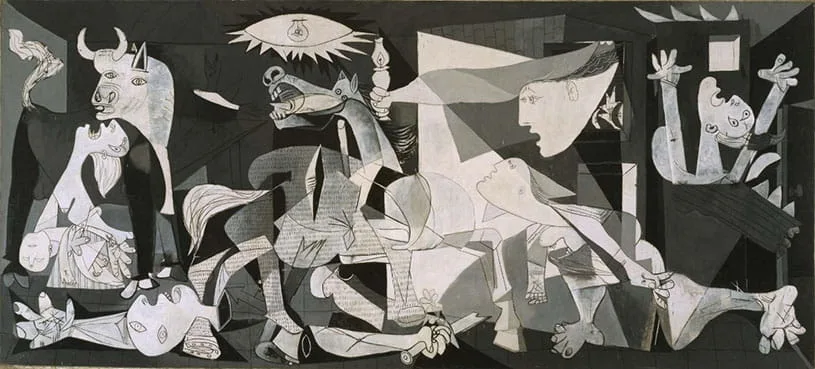
9. Guernica by Pablo Picasso
Guernica by Pablo Picasso
Image via http://www.museoreinasofia.es
This mural painting adopts the use of symbolism to show the devastation and killings of war. This painting was created in response to the tragedies of the Spanish civil war which brought a lot of pain and suffering. Pablo Picasso painted it in 1937. In particular, the inspiration for this painting came from the catastrophe of the Guernica bombing which was carried out by Nazi Germany and Fascist Italy at the request of the Spanish Nationalists. The Spanish Republican government had commissioned the painting for the Spanish pavilion at the 1937 Paris International Exposition. This painting was created within the context of war and chaos. While the painting has a very strong theme, it was largely appreciated for expressing the pain and suffering caused by the war in an artistic way. This painting is named after Guernica and utilizes cubism.
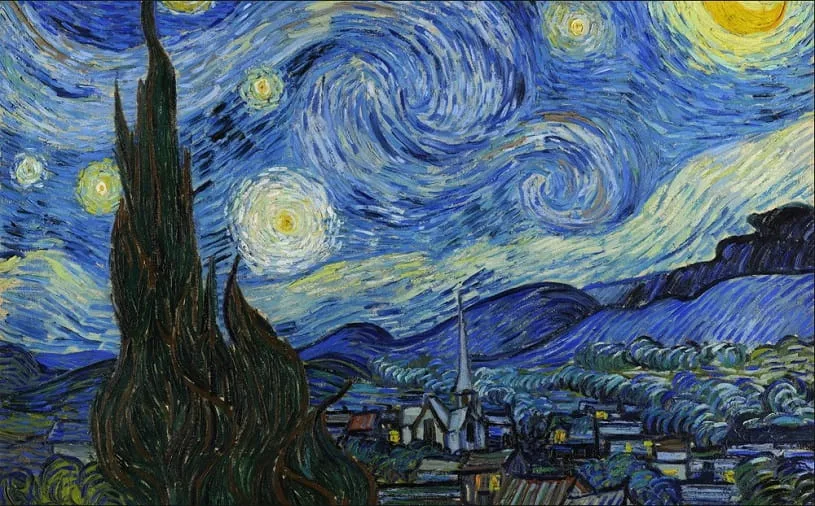
8. Starry Night by Vincent Van Gogh
Starry night
Image via http://www.banquedelimage.com
This painting is one of the most famous works of art ever seen and could be described as the masterpiece of Vincent Van Gogh. The very troubled artist created this painting in 1889 while staying at the asylum in Saint-Rémy-de-Provence, in a view inspired by his bedroom window. This artist had cut off part of his ear before realizing that he was terribly sick and decided to report himself to a mental institution. This painting features an impressive blend of colors with an interesting swirl that shows the night from a very vivid perspective. This painting is an oil painting on canvas. This artwork is located in the Museum of Modern Art in New York.
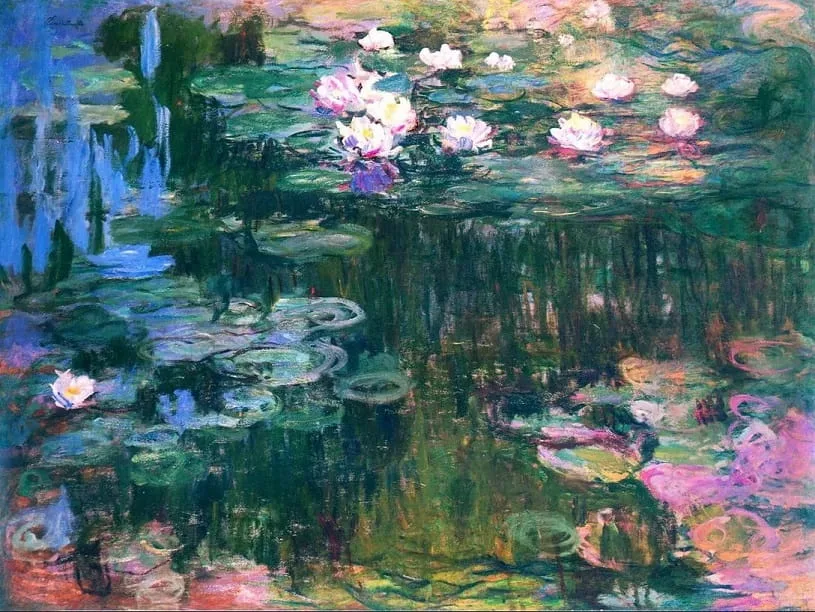
7. Water lilies by Claude Monet
Water lilies
Image via http://lafittemusiccenter.com
When exploring French impressionism in art, this artwork stands out as a very vivid example. Created by French artist Claude Monet, this painting is, in fact, one of the popular paintings to come from France. This painting features water lilies in the artist's garden. Contrary to what people think about water lilies painting, it was, in fact, a series of painting, not just one. His painting of water lilies has been admired for its clarity and stunning representation of water lilies. It is worth mentioning that this series was inspired by the water garden the painter created in 1893 on land next to his home in Giverny. It reflects his fascination with plants and water lilies, which he grew abundantly on his then newly acquired property.
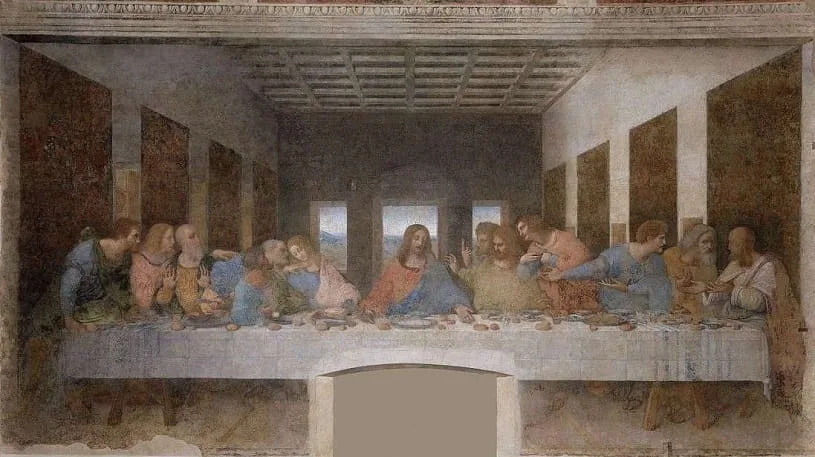
6. Last Supper by Leonardo Da Vinci
Last Supper
Image via http://mentalfloss.com
This religious painting dates back to the renaissance era and features a very strong theme which is at the core of the Christian faith. This painting was one of the many masterpieces of the renowned Leonardo Da Vinci and was created in the late 15th century (1495–1498). This great painting has been admired for centuries and is regarded as one of the greatest paintings the world has ever seen. The painting is actually much bigger than it appears in magazines and on television. It is also worth mentioning that The Last Supper is dedicated to showing the moment in which Jesus Christ revealed that one of his disciples will betray him. The most fascinating aspect of this painting is the fact that it captures the reaction of the disciples as they were all unsettled by the messiah’s claims. Interestingly, it is worth mentioning that this painting is painted on a wall of the refectory of the convent of Santa Maria delle Grazie in Milan and cannot be extracted and taken to a museum. The reason for this is because this could damage the painting. This painting could easily be one of the greatest paintings ever! Its popularity has remained throughout the generations.
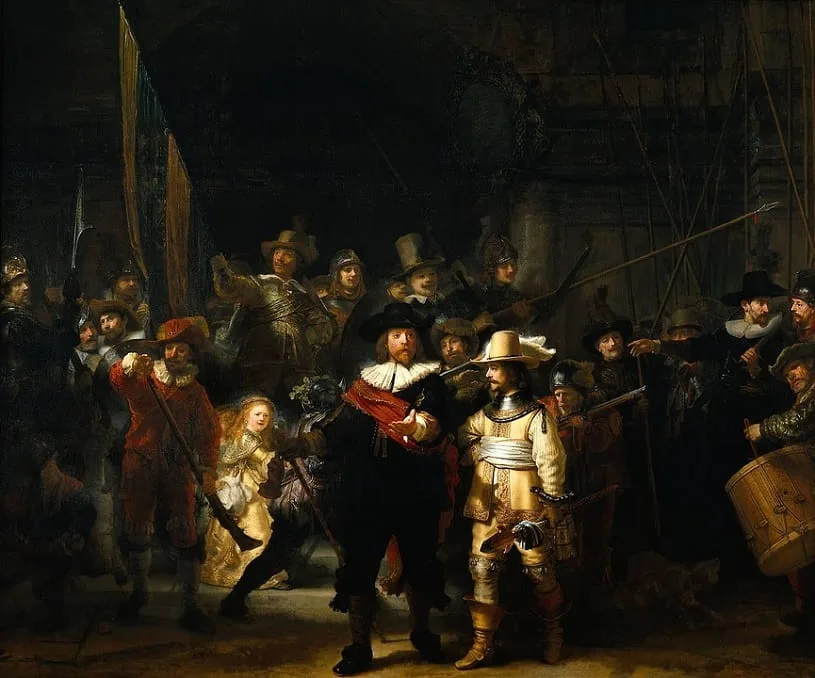
5. Night Watch by Rembrandt
Night Watch
Image via http://www.oeuvres-art.com
This magnificent painting is in fact very gigantic. It is a painting that measures 11.91 ft. in height and 14.34 ft. in width. Considering the aforementioned fact, it could very easily be considered as one of the largest paintings of its kind. In addition to the aforementioned fact, the Night Watch painting adopts a very unique technique that could be best described as brilliant. The painting is designed with the brilliant use of light and shade that accentuates the lead characters, Frans Banning Cocq, who was clad in black, with a red sash, and his lieutenant, Willem van Ruytenburch. Although the darkened varnish long made it look like a night scene, which earned the painting its name, it actually depicts the militia company in daylight. Designed by Rembrandt this impressive painting features life-size people in the most captivating style imaginable. More so, this painting is one of the first to adopt the use of motion effectively. When you see this painting, you immediately realize that the characters were actually in motion.
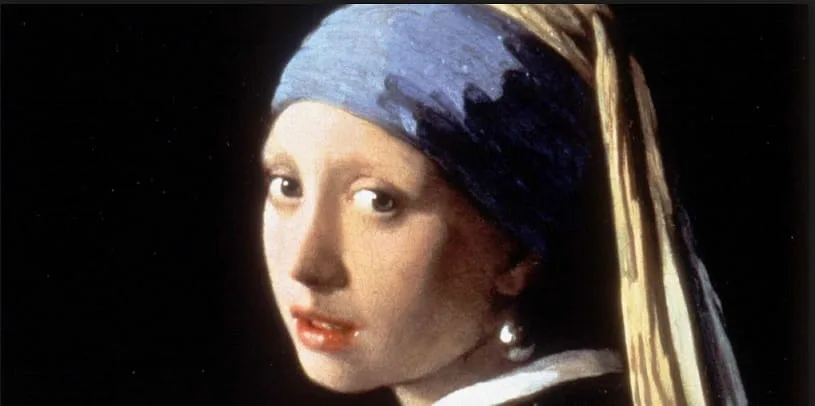
4. Girl with a Pearl Earring by Johannes Vermeer
Girl with a Pearl Earring
Image via https://culturebox.francetvinfo.fr
Created by Johannes Vermeer during the Dutch Golden Age, this painting is one that has received a lot of commendation and great appeal. This painting is speculated to have been created in 1665 by the Dutch artist. The popularity of this painting is so much so that an entire movie had been made using the name and inspiration of this painting. This painting is one that captures the alluring appearance of a stunning European damsel who appears to be wearing a very attractive costume and also has very expensive clothes as well. This painting adopts a very impressive technique. This painting follows the typical head portrait paintings that were pervasive at the time, however, the slight tilt of the entire upper frame and lustful gaze were some of the most fascinating aspects of this incredible artwork.
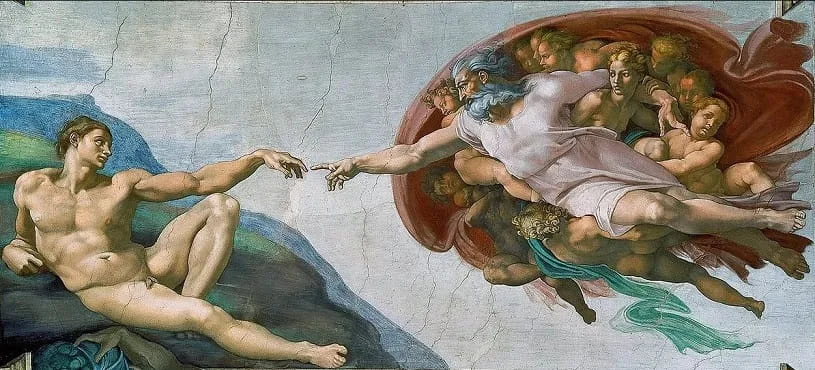
3. The Creation of Adam by Michelangelo
The Creation of Adam
Image via http://www.oeuvres-art.com
Created by one of the greatest artists of the Renaissance era, this painting is, in fact, a fresco that is part of a much larger work: the ceiling of the Sistine Chapel. Painting the ceiling was a project that lasted about four years (1508–1512) and contained many different religious scenes. The Creation of Adam is the part of the Sistine Chapel ceiling that has engendered a lot of attention and admiration. This painting has been explained as the impartation of life into the first human. It shows the clouds opening with a strong bearded figure reaching out to touch a man on the other side. This painting is a spectacle and remains one of the most talked about artworks ever!
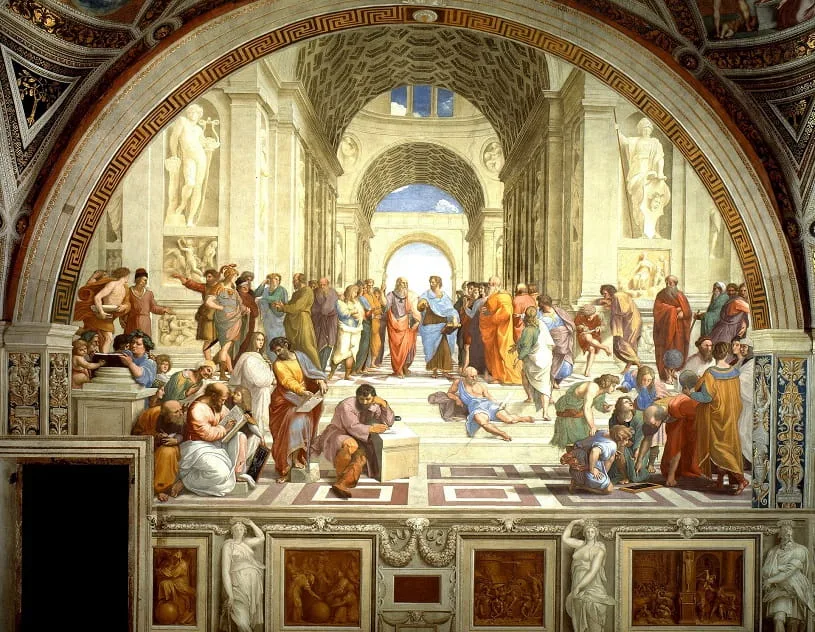
2. School of Athens by Raphael
School of Athens
Image via https://en.wikipedia.org/
Painted in fresco on plaster, The School of Athens was created by the celebrated Italian renaissance artist known as Raphael. This artwork is a masterpiece that was created over a period of three years and finalized in 1511. This exciting work of art is part of a room decorated with frescoes representing Philosophy, Poetry (including Music), Theology and Law; The School of Athens represents Philosophy. It has been argued that many of the most notable Greek thinkers are depicted in this painting. This fresco enjoys widespread popularity as one of the most famous paintings.
1. Mona Lisa by Leonardo da Vinci
Mona Lisa by Leonardo da Vinci
Image via https://fr.sputniknews.com/
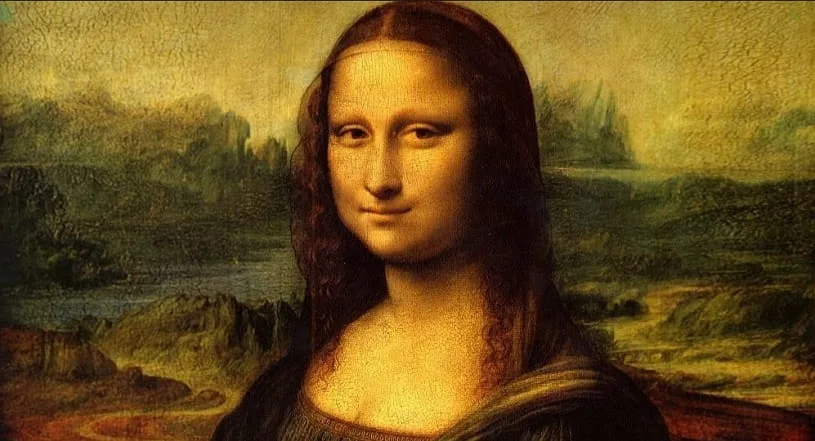
It is almost impossible for anyone to claim that they haven’t heard or seen the painting of Mona Lisa. Although it is claimed that this painting was never completed, it is one painting that is an incredible aspect of our modern culture. It is almost impossible to discuss art without making mention of this beautiful painting. An Italian Renaissance artist known as Leonardo Da Vinci was also responsible for this stunning painting. The oil painting is undoubtedly one of the most referenced works of art from the Renaissance. It is said to have been created as a portrait of Lisa Gherardini. While this is most likely the case, some debate remains. Mona Lisa painting has evolved into being a term to describe a beautiful woman. Celebrated as the ideal depiction of a beautiful woman, this painting has been at the Louvre Museum in Paris since 1797. While this painting has not been valued recently, it is estimated that it would be worth over 800 million dollars. This painting holds the incontestable position of being the most famous painting ever created in the history of mankind.
Frequently asked questions
What is the most famous painting in the world?
Leonardo da Vinci's Mona Lisa, held at the Louvre in Paris, is widely considered the most famous painting ever created. It is admired both for its artistry and for the mystery surrounding it.
What makes a painting famous?
The technique used to create it, the idea it communicates and its relevance over time. The most celebrated paintings were made by visionary artists and have endured for centuries.
Where is Van Gogh's The Starry Night?
The Starry Night is at the Museum of Modern Art in New York. Van Gogh painted it in 1889 while staying at the psychiatric hospital in Saint-Rémy-de-Provence.
Why is The Last Supper still in Milan?
Leonardo da Vinci painted The Last Supper directly on a wall of Santa Maria delle Grazie in Milan between 1495 and 1498. It cannot be removed and taken to a museum without damaging it.
What does Picasso's Guernica depict?
Painted in 1937, Guernica responds to the bombing of the Spanish town of Guernica during the Spanish Civil War. It shows the suffering war inflicts on civilians and has become a lasting anti-war symbol.
 Art historyExploring Modern Art Movements in Painting: A Journey through Revolutionary ArtExpressionism, Cubism, abstraction, Surrealism, Abstract Expressionism and Pop Art: a tour of the movements that broke with convention in 20th-century painting.May 27, 2024
 Art historyRomanticism: All You Need to KnowBorn in the late 18th century as a reaction against Enlightenment rationalism, Romanticism put emotion at the heart of art. Its origins, painters, key works and influence.October 15, 2018
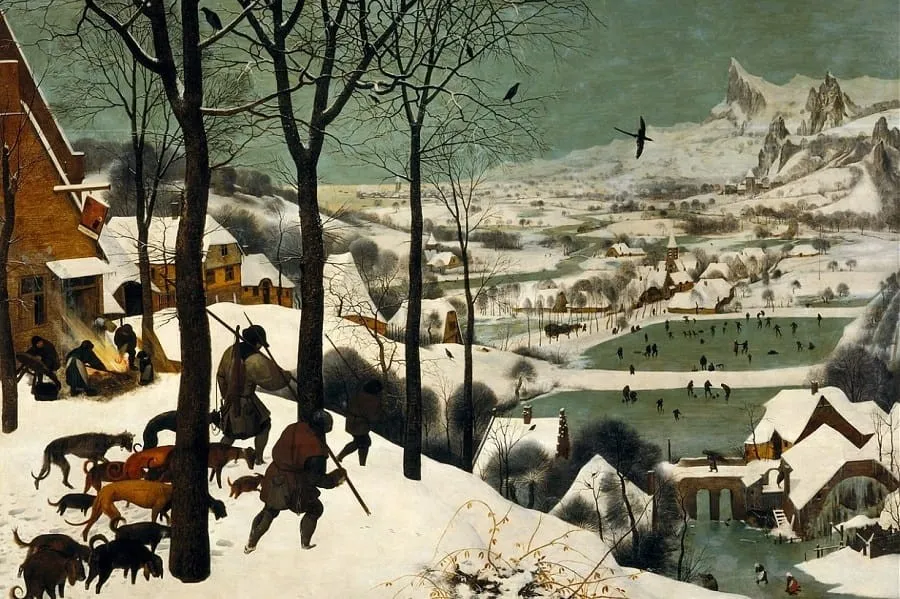 Art history20 Famous Landscape PaintingsFrom Bruegel to Paul Klee, by way of Monet, Hokusai and Van Gogh: 20 famous landscape paintings that have captivated art lovers through the centuries.October 12, 2018