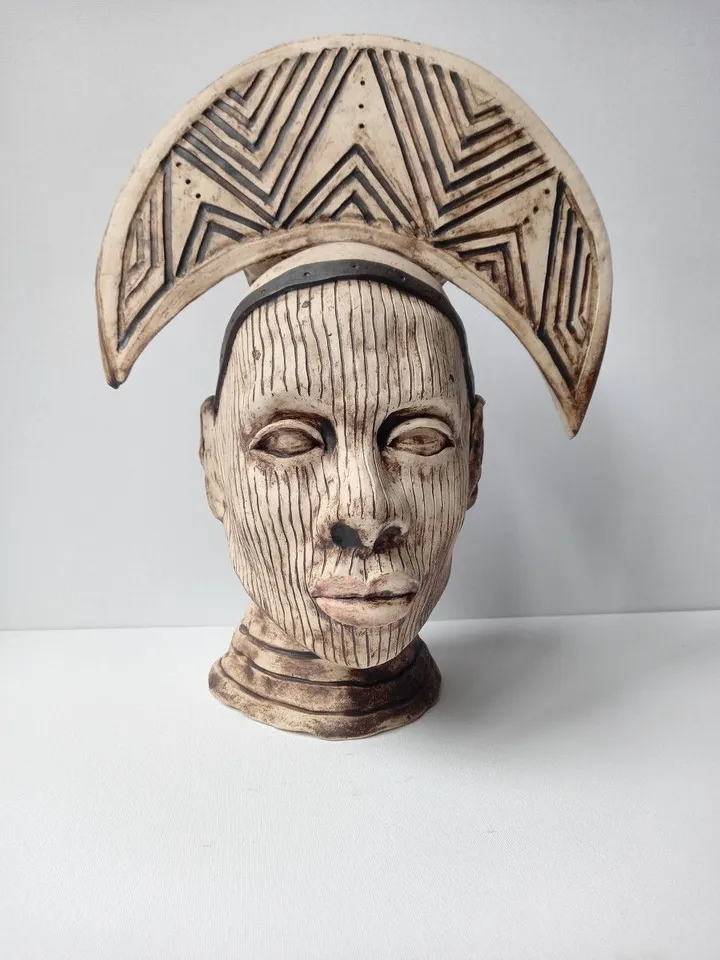
Proteus
Ceramic Stoneware · 2018 481 views
Made by a human
Rosh Sewpersad certifies having made this artwork by hand, with no AI-generated imagery.
- 0% commissionAgree directly with the artist: the full price goes to them.
The Protea, a very ancient plant that thrives in nutrient-poor soils in the fire-prone fynbos biome, is named after the Greek god Proteus, who could change form at will. This sculpture is an allegory for the resilience of the marginalised trans community against the current wave of violence subjected against trans lives. It also invokes the authenticity of trans history, challenging populist and damaging stereotyping of being trans, or any other sexual and gender minority, as an imported, novel Western concept.
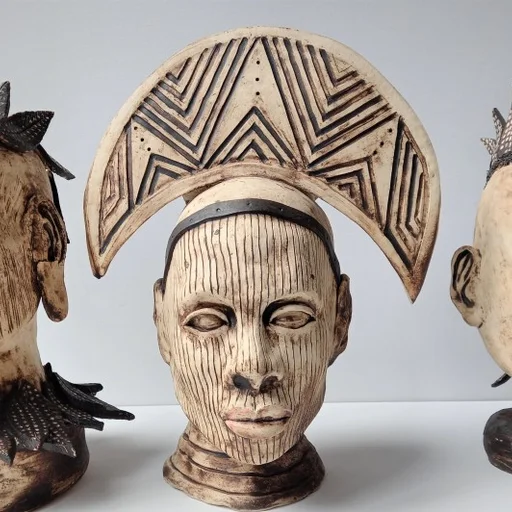
Rosh Sewpersad studied art at the University of Cape Town, and his preferred medium is ceramic sculpture. He uses a variety of hand building methods, and experiments with various oxide and glaze techniques, including meticulous and graphic painting on ceramics. His studio is located at Nirvana Fynbos Reserve, a nature reserve preserving the unique biodiversity of the Western Cape that he founded, and he is inspired by the forms, textures and colours of nature that surround him. He also finds inspiration in the animistic cultures of the African continent, and has studied shamanic traditions. His themes explore the human body, humanity’s connection to nature, gender fluidity, as well as abstract and imagined representations inspired by the living world.
 Aidan