20 Most Influential Visual Artists of All Time | Artblr
Most influential visual artists of all time
From Jan van Eyck to Frida Kahlo, meet 20 painters who shaped art history, from the Renaissance to surrealism, and the masterpieces that made them famous.
Artblr··15 min read·
In short
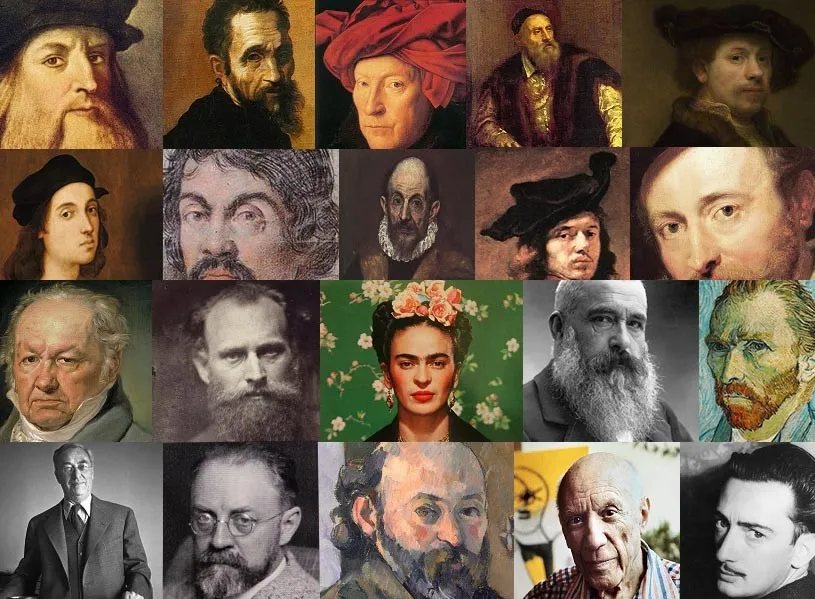
The most influential visual artists include Jan van Eyck, Leonardo da Vinci, Michelangelo, Raphael, Titian, Caravaggio, Rembrandt, Vermeer, Goya, Monet, Van Gogh, Picasso, Dalí and Frida Kahlo. Each had a profound impact on art by creating masterpieces, from the Renaissance to surrealism.
Since the time of the Renaissance, there have been many artists with exceptional abilities in sculpting, frescos, and painting. Some of these artists adopt incredible techniques in the creation of masterworks. Many paintings continue to mesmerize the world to this day. Some of the famous paintings are the Mona Lisa by Leonardo, The Creation Of Adam by Michelangelo, The Starry Night by Vincent van Gogh, The Scream by Edvard Munch, The Persistence of Memory by Salvador Dalí, Girl With A Pearl Earring and many more. Some of these artists were known to have mastery in a particular category of painting. For instance, Edvard Munch is often regarded as the father of expressionism in painting. Expressionism is a form of art which began in Germany at the beginning of the 20th century. It is a form of painting that explores the world from a subjective standpoint. This kind of painting is designed to inspire a particular kind of mood and emotion in viewers. Just as Munch is a notable figure in this genre of painting, many other painters were respected for their mastery of other categories of painting. In the case of Renaissance artists, most were proficient in an extensive range of painting categories while adopting intricate techniques for maximum effect. Discussing the list of most influential visual artists may seem like a daunting task. While there are many notable visual artists, influential visual artists are those who had a profound impact on art while creating incredible masterpieces.
1. Jan van Eyck (1390 -1441)
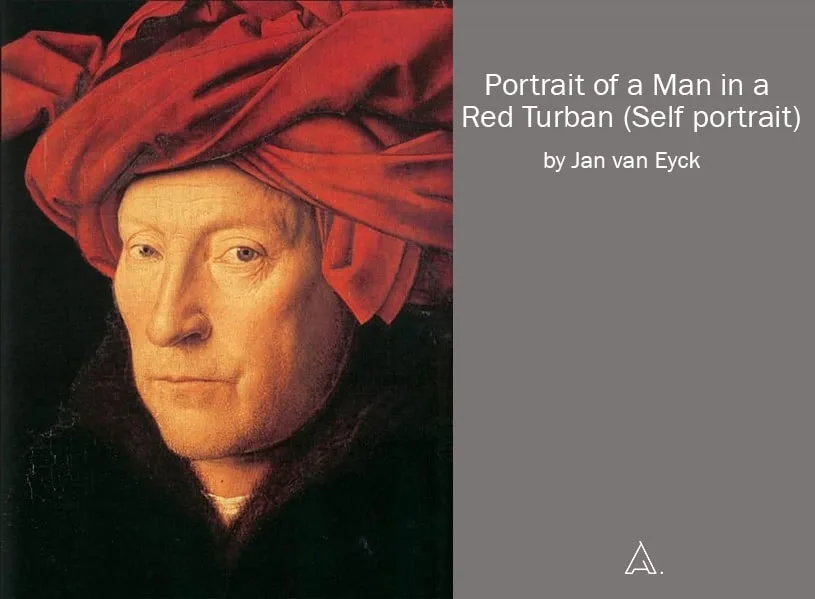
Portrait of a Man in a Red Turban
Portrait of a Man in a Red Turban, presumed self-portrait Image via https://www.rivagedeboheme.fr
The Arnolfini Portrait, which currently hangs in the National Gallery in London, is the work of one of the most influential visual artists of all time. Jan van Eyck is an inescapable name when discussing the Northern Renaissance. While there is little information on his early life, he was certainly at the forefront of painting in his time. His works, which belong to Renaissance art, are still relevant to this day. One of his best-known works is Portrait of a Man in a Turban, often considered a self-portrait. At the peak of his career, Jan van Eyck was known for creating many incredible works of art. Some of his numerous paintings include Annunciation, Crucifixion and Last Judgment diptych, Dresden Triptych, The Fountain of Life and his many paintings of the Madonna, as well as secular paintings like Woman Bathing. There were many other impressive works by Jan van Eyck that can no longer be found or that were not finalized before his demise. He was a respected artist in his time and remains a relevant figure in Northern Renaissance painting to date. He lived a short life which came to an end on July 9, 1441.
2. Leonardo da Vinci (1452-1519)
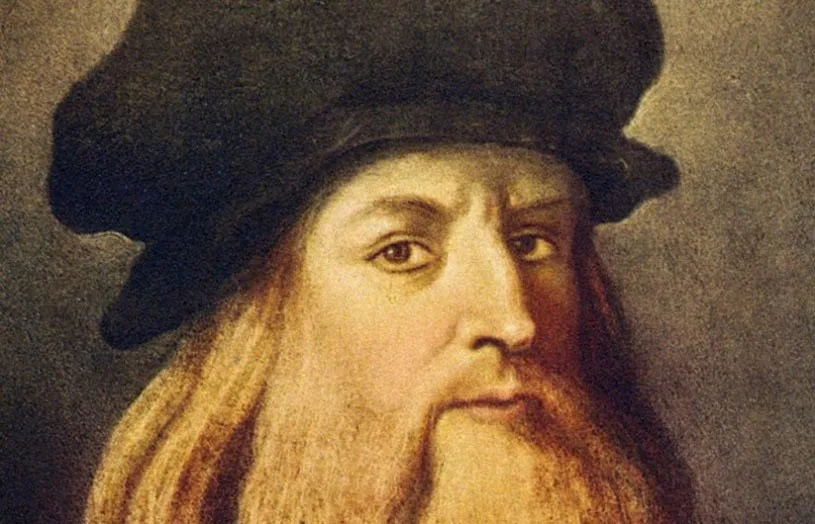
Leonardo da Vinci
Leonardo da Vinci Image via https://www.splicetoday.com
Leonardo da Vinci achieved legendary status in his time as a painter and his contributions to visual art echo to this day. It is almost impossible to discuss painting without mentioning the great Renaissance artist known as Leonardo da Vinci. Leonardo was a versatile artist, as he was great at painting, sculpture and a long list of other artworks. Leonardo’s accomplishments transcend visual art as he is regarded as a genius in many other fields. He was known for many incredible paintings which were mostly for nobles and churches. From frescos to wall paintings to architecture, Leonardo da Vinci displayed a heightened level of mastery over all of his crafts. From the Vitruvian Man to The Last Supper, Salvator Mundi and the celebrated Mona Lisa, Leonardo da Vinci created some of the most impressive works of art ever. Leonardo da Vinci is the personification of the Renaissance man with capabilities in a variety of fields. He used underpainting to create the mood and a variety of other impressive techniques as well. Leonardo lived a fulfilled professional life and died at the age of 67.
3. Michelangelo (1475-1564)
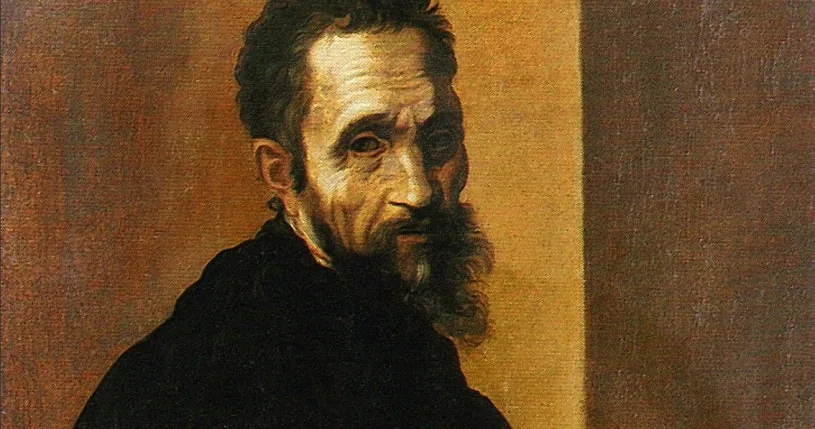
Michelangelo
Michelangelo Image via https://www.newhistorian.com/
The feat of Michelangelo as a painter is such that is revered even to this day. Comparing an individual to Michelangelo is the same as describing the person as the greatest in a particular field. Michelangelo is a celebrated Italian Renaissance sculptor, painter, architect and poet who demonstrated incredible mastery as a painter and a sculptor. Some of his most exciting sculptures include the Madonna of Bruges, Pieta, and David. Michelangelo was a devoted Catholic and he maintained a very moderate lifestyle even though he was very influential and rich. Various accounts of Michelangelo reveal that he had a melancholic personality and desired a somewhat solitary lifestyle. Nonetheless, Michelangelo ranks as one of the most accomplished artists of his time with some of the greatest works of art ever! He created Doni Tondo, Madonna of Bruges, Moses, The Creation of Adam, The Last Judgment and more. Michelangelo himself was influenced by figures such as Lorenzo de' Medici, Domenico Ghirlandaio, Girolamo Savonarola, Giovanni Pico della Mirandola and Melozzo da Forlì.
4. Raphael (1483 - 1520)
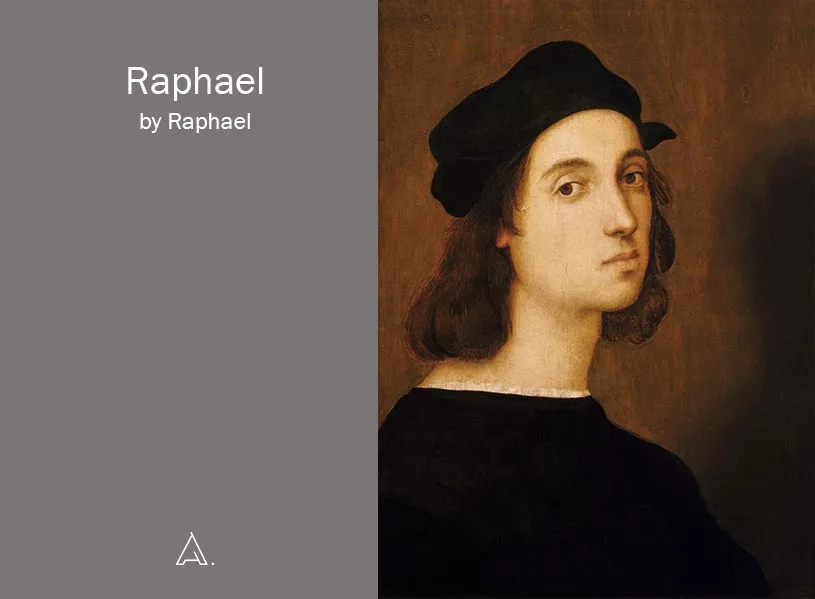
Raphael
Raphael self-portrait Image via wikimedia.org
As with many artists of the Renaissance period, most of his works were for religious patrons. Raphael was the son of the painter Giovanni Santi and he had a fairly comfortable upbringing even though he lost both of his parents by the time he was eleven. Raphael quickly became an important artist. Raphael is an influential artist that stood out in his time because he was young and accomplished. Raphael is an influential figure in visual art as he was actively involved in the creation of many beautiful works. Raphael created the Portrait of Baldassare Castiglione, The Triumph of Galatea, La belle jardinière (Madonna and Child with Saint John the Baptist), Transfiguration, and Sistine Madonna. Of all his impressive works he is best known for The School of Athens, which remains his most valuable work. Raphael was an adventurous character and he led a romantic life too. The school of Athens is a unique fresco that was used to decorate the Stanza Della Segnatura.
5. Titian (1488 - 1576)
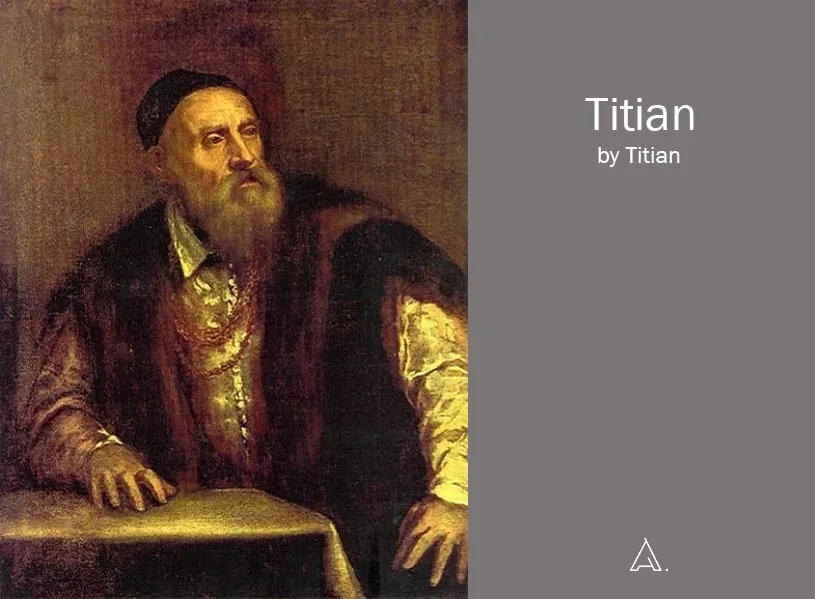
Titian self-portrait
Titian self-portrait Image via http://www.everypainterpaintshimself.com
This artist had a tremendous influence on visual art and was appreciated by most of his contemporaries where he was referred to as the sun amidst small stars. Titian was one of the most versatile of Italian painters, equally skilful with portraits, landscape backgrounds and allegorical figures. Titian is one artist that underwent a series of adjustments in his style of painting throughout the span of his career. However, Titian is known to have a love for the application of color. His career evolved significantly and at the height of his career, he created a spectacular painting known as Bacchus and Ariadne. From Pesaro Madonna, Sacred and Profane Love, Danaë with Nursemaid, Venus of Urbino to Bacchus and Ariadne and the Assumption of the Virgin, this artist created many impressive paintings.
6. El Greco (1541 - 1614)
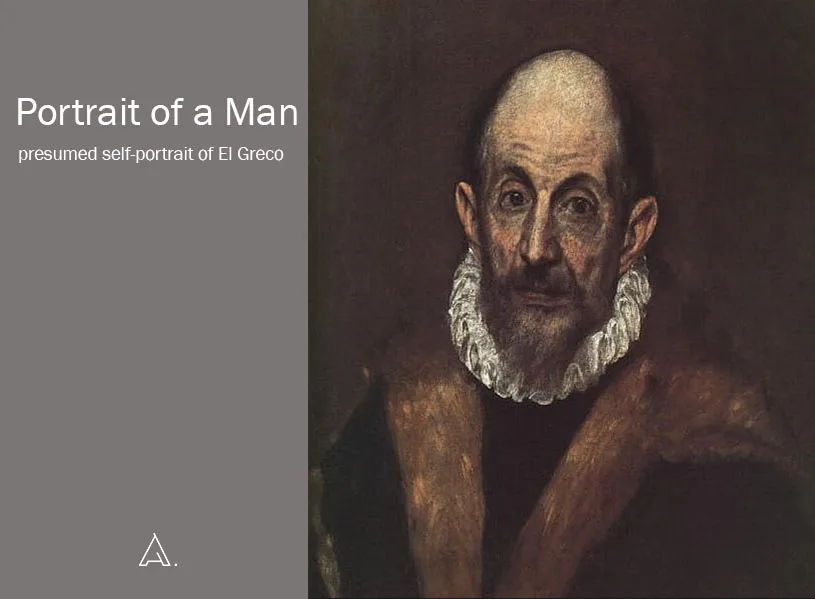
Self-portrait of El Greco
Portrait of a Man, presumed self-portrait of El Greco Image via http://www.elgreco.net/
His works are found within the context of the Spanish Renaissance. “El Greco” was a nickname used to highlight his Greek ancestry. Born in the Kingdom of Candia, this artist was known for the dramatic and expressionistic approach to painting. Many of his paintings were centred on religious themes; his works include The Holy Trinity, The Miracle of Christ Healing the Blind, Assumption of the Virgin, Laocoön, The Nobleman with his Hand on his Chest, The Burial of the Count of Orgaz and many other astounding works.
7. Caravaggio (1571 - 1610)
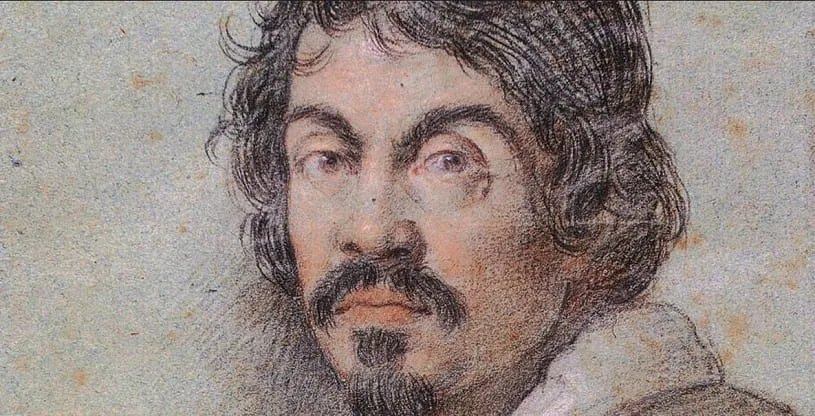
Portrait of Caravaggio
Chalk portrait of Caravaggio by Ottavio Leoni Image via http://www.bbc.com/
This Italian painter is considered one of the founders of Baroque painting. He employed some of the most creative techniques to create mind-blowing works of art. The dramatic contrasts of light and shadow of the tenebrism technique were his forte and were used in the creation of most of his works. Simone Peterzano was his teacher before he left for Rome. Caravaggio’s background was impoverished however his abilities soon began to make him relevant. One of his earliest paintings is the “Boy Peeling Fruit”. Just like many artists of this period, his works were centered on religious themes and themes that centered on Greek mythology. One of such works is The Calling of Saint Matthew, which shows how Matthew was called by Jesus to join his discipleship. Other celebrated works include The Incredulity of Saint Thomas, Bacchus, The Fortune Teller, David with the Head of Goliath, The Taking of Christ, Medusa and many more. He did his apprenticeship in Milan before becoming a professional painter in Rome. While he will always be remembered for the intricate way in which he used Tenebrism, he had a very short career.
8. Peter Paul Rubens (1577-1640)
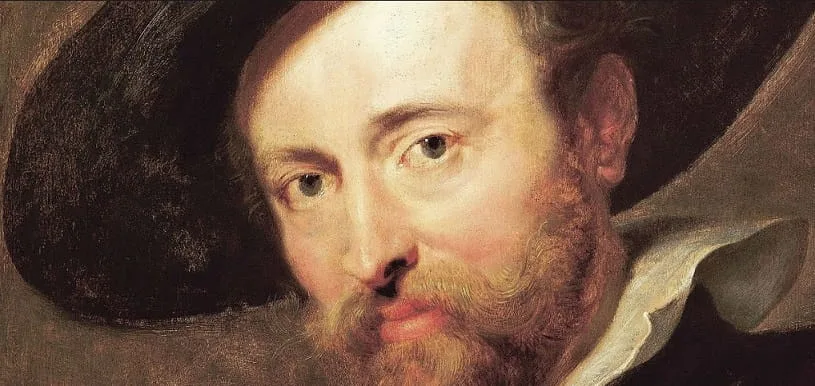
Peter Paul Rubens
Image via http://www.visitflanders.com/
Rubens, who was Flemish, was known for his Baroque style of painting. He had a reputation as the greatest of the Flemish Baroque painters. His form of painting is such that communicates emotions to a heightened degree. Rubens is known for a huge number of stunning works covering an extensive range of genres. From religious paintings to landscapes, Rubens earned a place as the foremost Flemish painter. His works include Samson and Delilah, Honeysuckle Bower, The Descent from the Cross, to the Assumption of the Virgin Mary, The Disembarkation at Marseilles, Consequences of War (Horror of War) and more. One thing that is apparent from all of Rubens’s work is that they evoke emotions while portraying a mood that is almost palpable. Rubens died of complications from chronic gout.
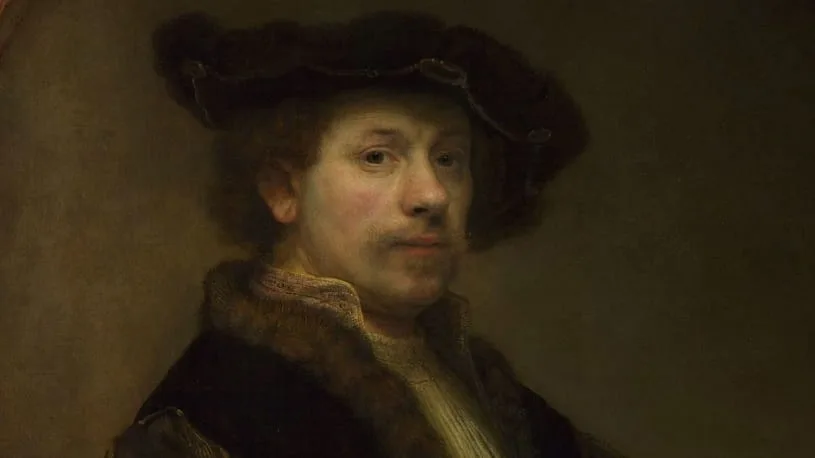
9. Rembrandt (1606-1669)
Rembrandt Self-portrait
Image via http://www.latimes.com
If there is anything that makes Rembrandt a creative painter, it is the fact that he created The Night Watch. This life-size painting is one of the most powerful reflections of the influence of Rembrandt and his contributions to visual art. This Baroque painting depicts its characters in the most engaging fashion. It almost feels like the characters were actually moving. Undoubtedly, Rembrandt is one of the most influential visual artists of all time because of this painting and many others: he created a long list of paintings. However, his most celebrated works include the Self-Portrait with Two Circles, The Anatomy Lesson of Dr. Nicolaes Tulp, Danaë, and The Conspiracy of Claudius Civilis.
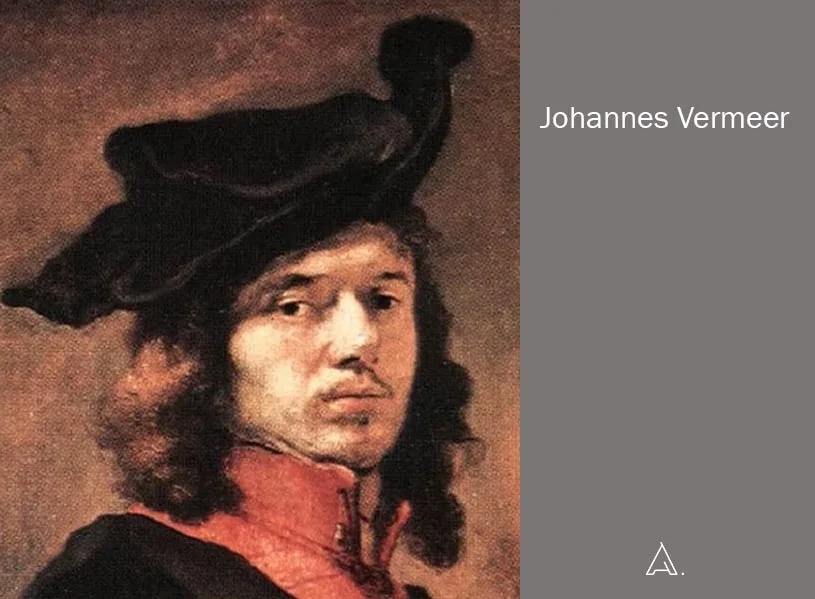
10. Johannes Vermeer (1632-1675)
Johannes Vermeer
Image via https://www.thefamouspeople.com
Johannes Vermeer was known for genre painting and he made some success from this. However, he cannot be described as someone who became affluent from his endeavors as a visual artist. He led a simple life and married one wife (Catharina Bolnes). In addition to the fact that he left his family in debt when he passed on, another indicator that he wasn’t affluent is the fact that he moved into his Mother-in-law’s house with his family. While he wasn’t much of a monetary success, he could be regarded as one of the most influential artists of his time. Johannes Vermeer created his paintings with the use of monochrome shades of grey technique. Johannes Vermeer had great mastery over his style of painting and was particularly great at selecting the coloring he used. Woman in Blue Reading a Letter, The Little Street, The Milkmaid and Woman Holding a Balance were some of his most impressive works. His style of painting earned him a place as one of the most influential visual artists of his time.
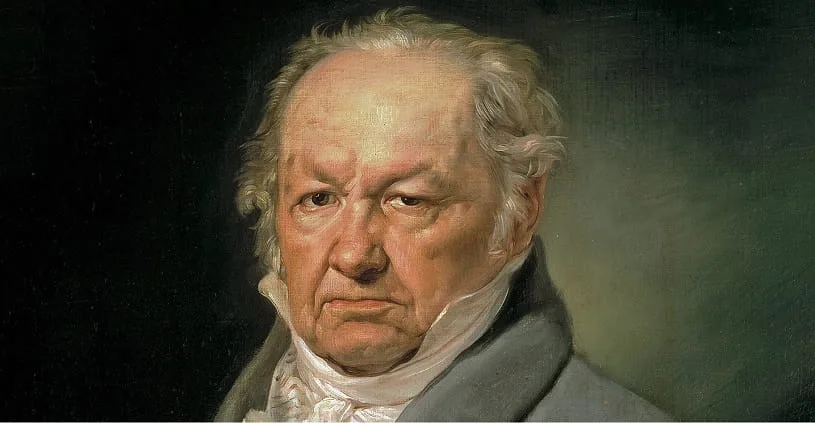
11. Francisco Goya (1746 - 1828)
Francisco Goya
Image via https://wikimedia.org
Francisco Goya was a celebrated Spanish painter that emerged in the period just before industrialization. He is a painter that could be categorized under the genre of romanticism. He used some of his works to communicate his emotions concerning the Napoleon-led war against Spain at the time, notably in his Disasters of War series. This painter always had a dark theme to his painting and most of which seemed to be centered on negative events that were ongoing in the political and religious systems at the time. Also, his paintings suggested that he also endured great fear about his mental state. It can almost be assured that this painter was slightly unstable as he had an unusual fascination with insanity, witches, asylum and other forms of negativity. The Parasol, The Dog, The Clothed Maja, The Nude Maja and many more were some of his most impressive works. His final years were characterized by an unusual paralysis, bad eyes and other health complication which led to his demise.
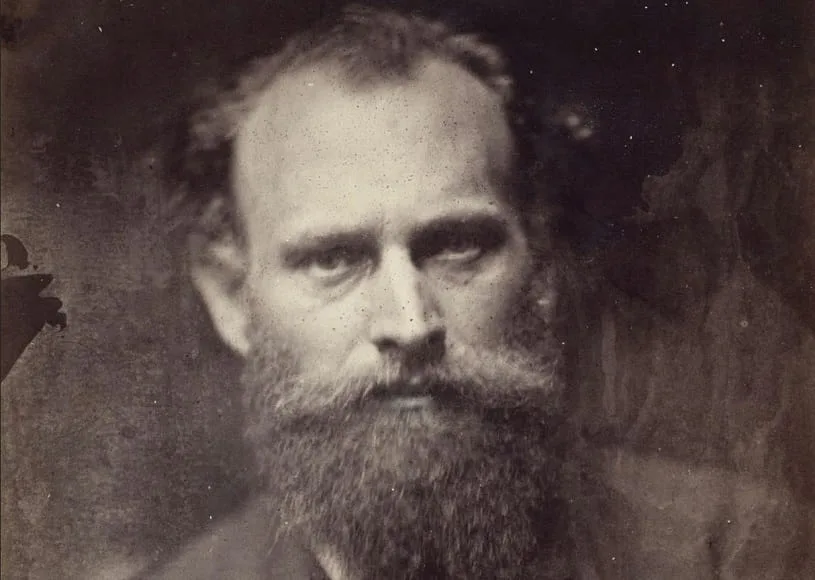
12. Edouard Manet (1832-1883)
Edouard Manet
Image via http://1.bp.blogspot.com/
The relevance of Manet stems from the fact that he was among the first painters to depict the life of his own time. This earned him a place as one of the most influential visual artists as he was able to depict contemporary living in his works. His café scenes are among his most impressive works and portray what parties and social events looked like in France at the time. It seems as though this artist was fascinated by many aspects of the modern life and most of this was captured in his works. For instance, The Battle of the Kearsarge and the Alabama is a work that shows his attraction to the sea. The Execution of Emperor Maximilian, Boating, and A Bar at the Folies-Bergère are some of his most impressive works that solidify his position as one of the most influential visual artists of all time. He died from complications of syphilis and gangrene.
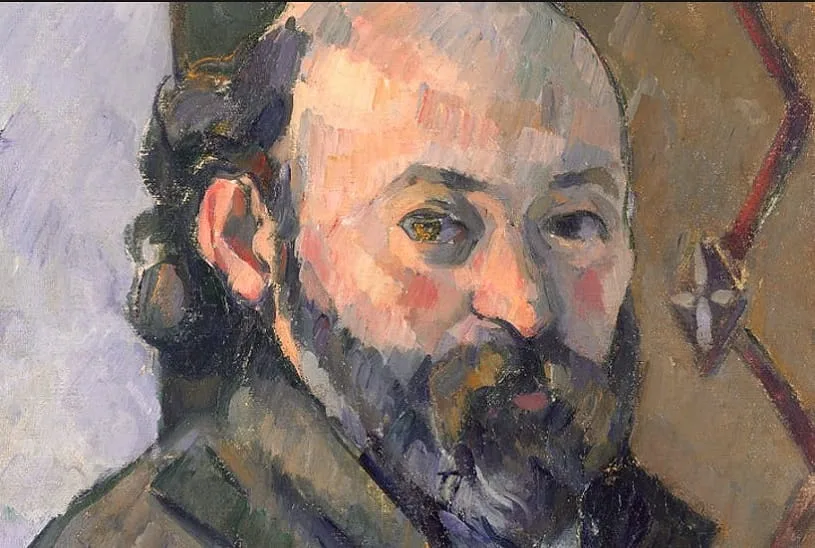
13. Paul Cézanne (1839 - 1906)
Paul Cézanne
Image via https://www.spectator.co.uk/
This French painter used a form of painting which was popular at the time known as post-impressionism. Through his work, he captured many aspects of daily life and of the landscapes around him, and Paul Cézanne earned his place as a respected painter. The Murder is one of his most striking early works. The Boy in the Red Vest, L’Estaque, Melting Snow, the Basket of Apples, Pyramid of Skulls and Mont Sainte-Victoire Series are some of his great works.
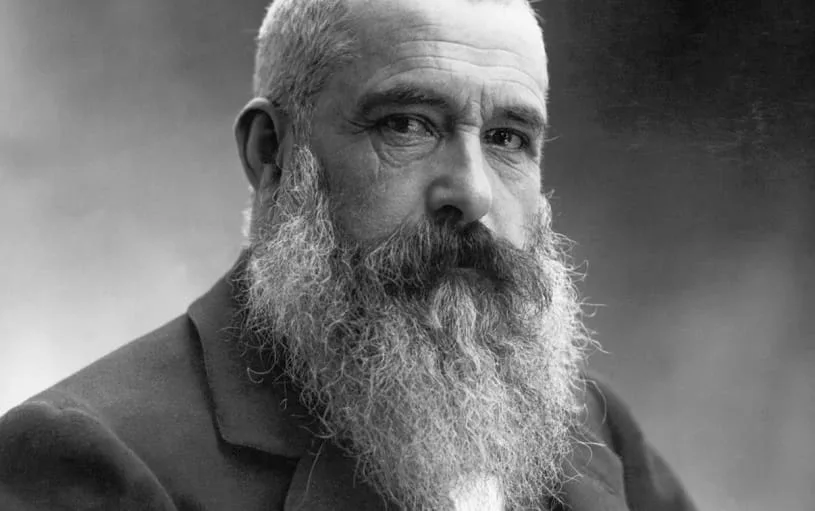
14. Claude Monet (1840-1926)
Claude Monet
Image via https://www.christies.com/
Monet is one of the best painters of his time. A French native, he is often regarded as a key figure in impressionism. Known for his fascination with painting the water lilies that grew in the garden of the home he purchased, Claude was an artist that favored impressionism art form. His paintings can be recognized by their light brushstrokes, which created a compelling artwork. Some of the most impressive paintings of Claude Monet include Woman with a Parasol, Camille or The Woman in the Green Dress, the Haystacks series, Impression, Sunrise and Water Lilies for which he is best known. Claude Monet is a celebrated artist in his time who is remembered for impressionist art.
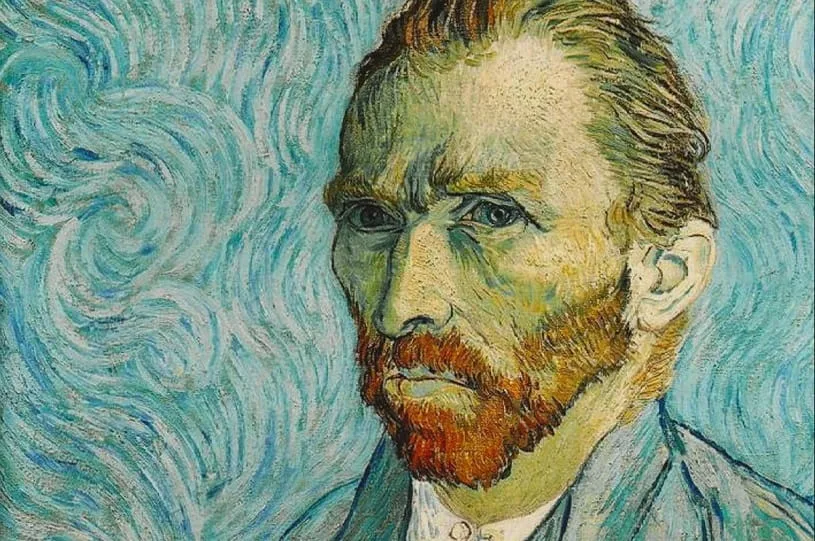
15. Vincent van Gogh (1853-1890)
Vincent van Gogh
Image via https://www.biography.com/
This Dutch artist was from an affluent background however he described his childhood as being somewhat lonely. This can be attributed to the fact that he was sent to a village school far away from his parents. His form of painting existed within the era of impressionism and post-impressionism. Vincent Van Gogh is one of the most influential artists as he created many inspiring works of art. If there is anything Vincent is known for, it is his self-portraits. It is recorded that he made many self-portraits completing as much as 48 in his professional career. He was also known for painting flowers and cypresses, and for works such as Wheat Field with Cypresses, Bedroom in Arles, Self-Portrait with Bandaged Ear, Cafe Terrace at Night, and Sunflowers.
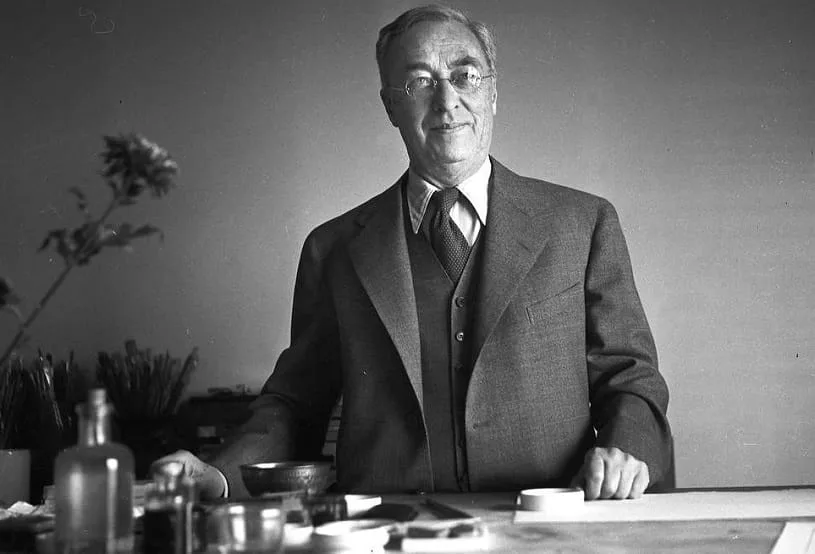
16. Wassily Kandinsky (1866-1944)
Wassily Kandinsky
Image via https://www.independent.co.uk/
This Russian artist with German heritage is recognized for his contributions as an abstract artist. He created some of the most impressive abstract works. Coming from a family of tea merchants, he had a very privileged life and was well educated as a lawyer and economist. However, he decided to pursue his passion for painting. His creations are widely appreciated, among them Yellow-Red-Blue, Farbstudie Quadrate, On White II, and Composition VII.
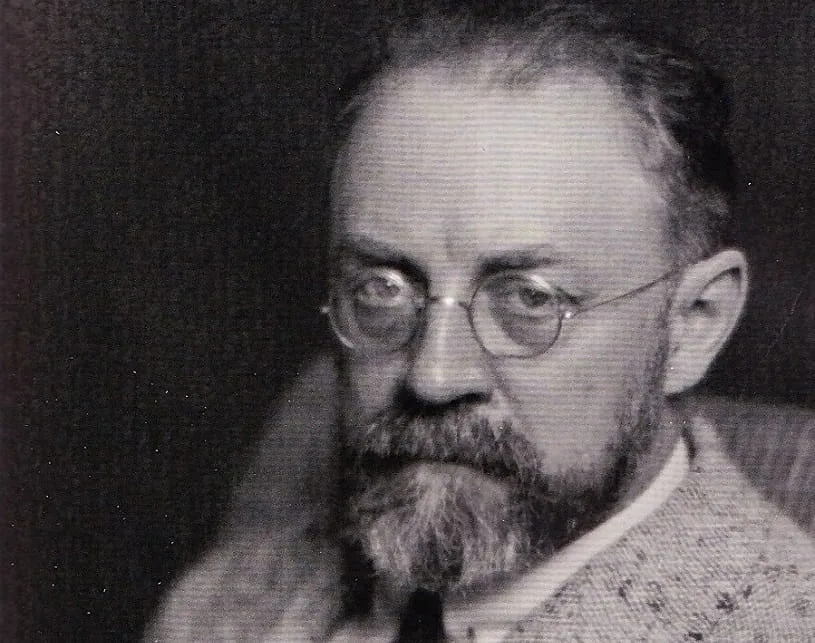
17. Henri Matisse (1869 - 1954)
Henri Matisse
Image via https://www.thefamouspeople.com/
Recognized for his mastery of draughtsmanship, Henri Matisse was also a printmaker and sculptor. In the early 1900s, Matisse became recognized as a Fauve painter. Essentially, Fauve is a form of painting that emphasizes the use of colors. Henri is a Frenchman who happens to be the eldest son of a wealthy grain dealer. One of his best paintings, Femme au manteau violet, was created in 1937. Other interesting paintings by this artist include La Fenêtre ouverte, Poissons rouges et palette, Femme au chapeau, L’Atelier Rouge, and La Danse. La Danse is one painting that engenders a lot of appreciation and could be regarded as one of the most animated paintings of all time. Pablo Picasso, though significantly younger, was one of Henri Matisse’s contemporaries. Both men became close friends and they were equal competitors as well. Both painters were renowned for their extensive and creative use of colorism in their artworks.
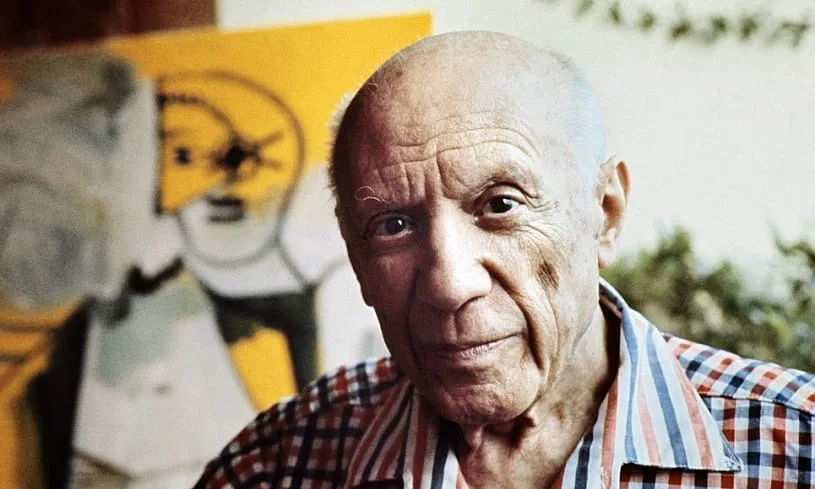
18. Pablo Picasso (1881-1973)
Pablo Picasso
Image via http://siracusa.gds.it/
Just like Leonardo da Vinci of the renaissance, Pablo Picasso is a name that became synonymous with visual arts in the 20th century. Pablo Picasso can be described as one of the most influential visual artists of the 20th century. Born in Málaga, Spain, Picasso is one of the greatest artists of his time. He was a versatile visual artist with expertise in sculpting, painting, printmaking, stage designing and more. Pablo is directly linked to the cubism fervor and he was equally actively involved in constructed sculpture. Some of his finest works included Family of Saltimbanques, Ma Jolie and La Vie which adopted a monochromatic painting style which was pervasive at the time. Girl before a Mirror and Three Musicians are some of his most celebrated cubism art forms. Le Rêve is one painting of Pablo which received a lot of admiration and remains one of his most expensive works. The Weeping Woman and Guernica are also works indicating that he was a firm advocate of cubism. He was an accomplished artist with a global political consciousness which was often times reflected in his works like Guernica, Massacre in Korea and many of his other works. Following a fulfilled career, Picasso died of cardiovascular complications at the ripe age of 91.
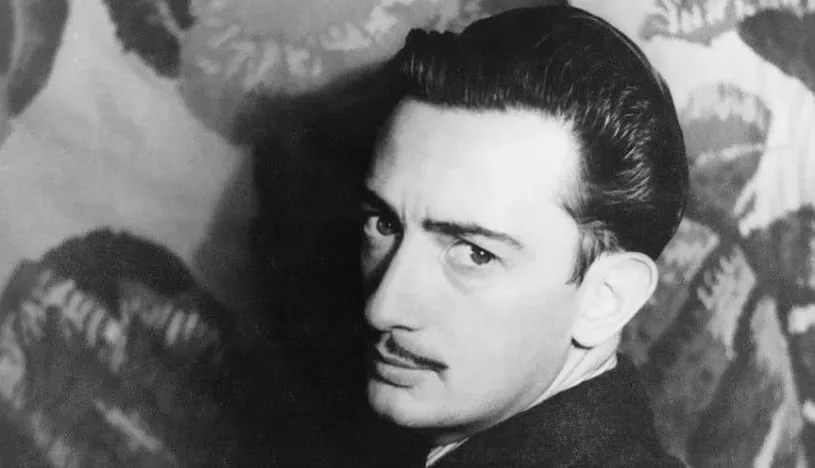
19. Salvador Dalí (1904 - 1989)
Salvador Dalí
Image via https://newsela.com/
Unarguably a master of surrealism, he created many stunning artworks that were relevant to the socio-political milieu of his time. The Burning Giraffe is one of such paintings that was created using surrealism style painting. The imagery is such that is reminiscent of destruction and was used to communicate his feelings about the civil war in Spain. The symbolism of his famous melting watches remains a spectacle to behold especially when viewed against its meanings and interpretation. Tuna Fishing (Homage to Meissonier), Dream Caused by the Flight of a Bee Around a Pomegranate a Second Before Awakening, Galatea of the Spheres, Metamorphosis of Narcissus, Christ of Saint John of the Cross, Soft Construction with Boiled Beans and The Persistence of Memory are some of his greatest works. A leading figure of surrealism, Salvador Dalí is one of the most influential visual artists of all time.
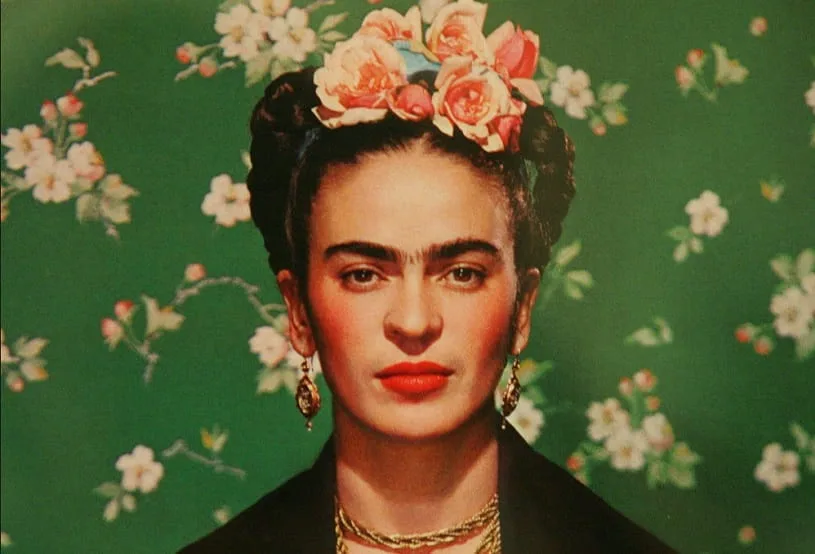
20. Frida Kahlo (1907 - 1954)
Frida Kahlo
Image via https://nationalpost.com/
Known for her self-portraits, Frida Kahlo, born in 1907, is one of the most influential visual artists of her time; she created many impressive artworks that were based on nature and artifacts. This Mexican artist created many impressive works which included The Broken Column, a painting which focused on the injuries she sustained in a serious bus accident. Self-Portrait with Thorn Necklace and Hummingbird and The Two Fridas are some of her best works.
Frequently asked questions
Who are the most influential painters of all time?
They include Renaissance masters such as Jan van Eyck, Leonardo da Vinci, Michelangelo, Raphael and Titian, as well as Caravaggio, Rubens, Rembrandt, Vermeer, Goya, Manet, Cézanne, Monet, Van Gogh, Kandinsky, Matisse, Picasso, Dalí and Frida Kahlo.
What makes a visual artist influential?
Influential visual artists are those who had a profound impact on art while creating incredible masterpieces, often through mastery of a technique or movement, such as Caravaggio's tenebrism or Monet's impressionism.
Who is considered the father of expressionism?
Edvard Munch, painter of The Scream, is often regarded as the father of expressionism, a form of art that began in Germany and explores the world from a subjective standpoint to evoke a particular mood and emotion.
What is Rembrandt's most famous painting?
The Night Watch, a life-size Baroque painting whose characters almost seem to move, is one of the most powerful reflections of Rembrandt's influence.
Which artist is considered the master of surrealism?
Salvador Dalí is considered the master of surrealism. His works include The Persistence of Memory, with its famous melting watches, and The Burning Giraffe, which expressed his feelings about the Spanish Civil War.
 Art historyExploring Modern Art Movements in Painting: A Journey through Revolutionary ArtExpressionism, Cubism, abstraction, Surrealism, Abstract Expressionism and Pop Art: a tour of the movements that broke with convention in 20th-century painting.May 27, 2024
 Art historyRomanticism: All You Need to KnowBorn in the late 18th century as a reaction against Enlightenment rationalism, Romanticism put emotion at the heart of art. Its origins, painters, key works and influence.October 15, 2018
 Art history20 Famous Landscape PaintingsFrom Bruegel to Paul Klee, by way of Monet, Hokusai and Van Gogh: 20 famous landscape paintings that have captivated art lovers through the centuries.October 12, 2018