Immerse Yourself in the Bold World of Pop Art: A Guide to Finding Inspiration and Creating
Bright colours, consumer icons and dot patterns: six tips for painting in the spirit of Warhol and Lichtenstein while keeping your own style.
Artblr2 min read
In short
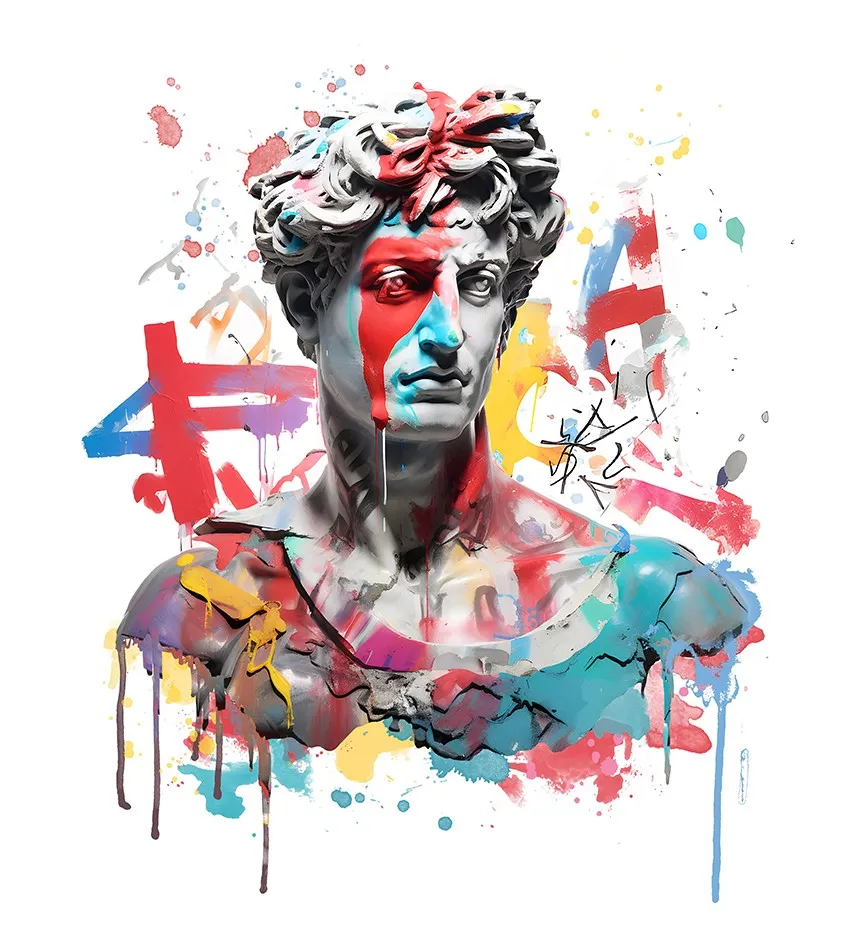
Emerging in the 1950s and 1960s, pop art draws on popular imagery, mass culture and advertising. To paint in its spirit, study Andy Warhol and Roy Lichtenstein, borrow from popular culture, use vivid colours and archival images, and add your personal touch.
Pop art is an art movement that emerged in the 1950s and 1960s, characterized by its use of popular imagery, mass culture, and advertising. Iconic artists such as Andy Warhol and Roy Lichtenstein played a significant role in popularizing this bold and colourful artistic style. If you are an art enthusiast and looking to venture into pop art-inspired painting, here are some tips to help you dive into this creative realm.
- Conduct research on the pop art movement: To start, familiarize yourself with the key artists and artworks of pop art. Study the styles, themes, and techniques used. This will help you understand the core elements of the movement and draw inspiration from their artistic approach.
- Explore popular culture: Pop art draws inspiration from popular culture and consumer society. Immerse yourself in films, music, comics, magazines, and advertisements from that era. Observe popular icons, logos, everyday objects, and recurring patterns. These are elements that you can incorporate into your own creations.
- Experiment with vibrant colours: Pop art is known for its bright and saturated colours. Don't hesitate to use vivid and contrasting shades in your paintings. Bold combinations of red, yellow, blue, and green are often seen in this artistic style. You can also play with gradient effects and geometric patterns to add dynamism to your artwork.
- Use archival images or photographs: Pop art often uses archival images or photographs as a base for artworks. You can collect relevant images from magazines, books, or even online sources. Feel free to manipulate, enlarge, cut, or distort them to create a striking visual effect.
Read next
 For artistsHow Artists Are Using TikTok and Instagram Reels to Sell Their Paintings in 2026Short videos turn followers into buyers. Five formats painters use on TikTok and Reels, and why they work.July 4, 2025
 For artistsHow to Make a Good Income from Your Art in 2025 (and Maybe Even Live Off It!)Making a living from art isn’t easy, but there have never been so many options. Five income streams, with examples of artists who are succeeding.March 11, 2025
 For artistsNFT Art vs. Traditional Art: Opportunities and Challenges for ArtistsGallery or blockchain? The strengths and limits of traditional art and NFT art, and why artists may benefit from building bridges between the two.